Whidbey Island & Anacortes Real Estate + Local Living
Where to Watch Sunsets on Whidbey Island
August 25, 2026
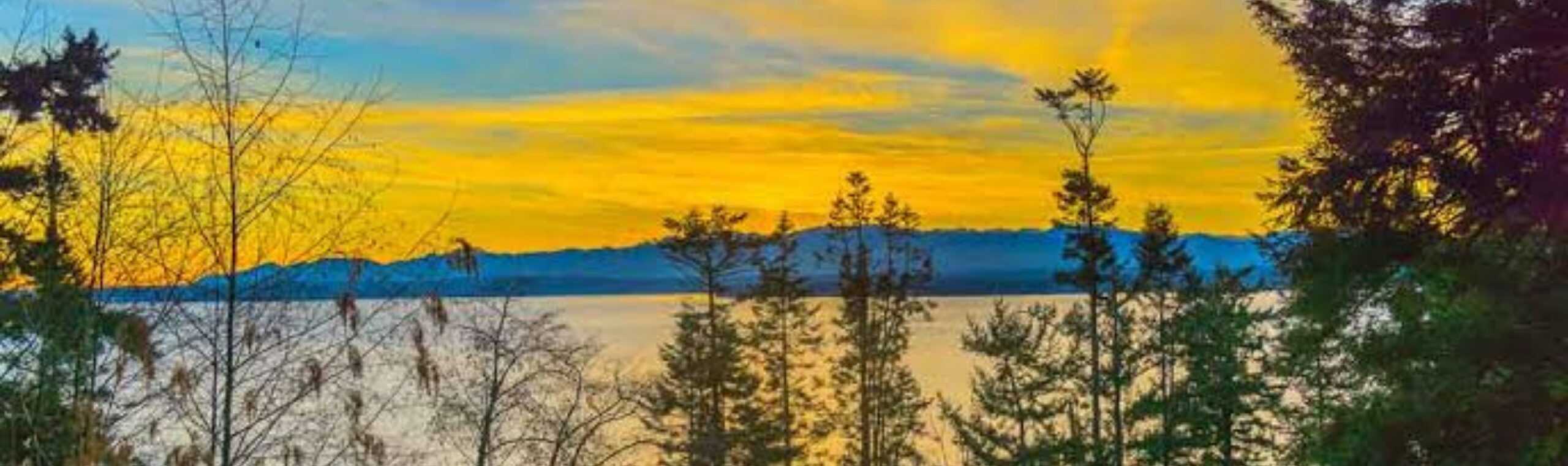
Where are the best places to watch the sunset on Whidbey Island?
The best places to watch sunsets on Whidbey Island include Deception Pass State Park, Double Bluff Beach, Fort Ebey State Park, Joseph Whidbey State Park, Ebey’s Landing, West Beach, and Fort Casey Historical State Park.
With west-facing beaches, elevated coastal bluffs, open water, and the Olympic Mountains on the horizon, Whidbey Island offers some of the most memorable sunset views in the Pacific Northwest.
Whether you prefer an easy walk from the parking lot, a peaceful picnic on the beach, or a scenic hike before golden hour, there is a sunset location for nearly every kind of evening.
Golden Hour Is One of the Best Parts of Island Life
Ask longtime residents what they love most about Whidbey Island, and sunsets will often be near the top of the list.
No two evenings look exactly the same.
Some nights bring soft pink and peach skies. Others create fiery reds, deep purples, or golden light reflecting across the water. On especially clear evenings, the Olympic Mountains appear sharply defined beneath the changing sky.
The best part is that you do not need to own waterfront property to enjoy the view.
We’re Jeff and Kara Vallejo, Realtors serving Whidbey Island and Anacortes, and one of our favorite ways to end the day is by visiting one of the island’s beaches, parks, or bluff-top viewpoints before the sun disappears.
Whether you’re visiting for the weekend or considering making Whidbey Island your home, these are some of the island’s best sunset locations.
Deception Pass State Park
Deception Pass State Park is one of the most iconic places to experience a Whidbey Island sunset.
The park stretches across Whidbey and Fidalgo islands and combines rugged coastal cliffs, beaches, forests, lakes, and views of the famous Deception Pass bridges.
As the sun lowers toward the western horizon, the surrounding cliffs and trees become silhouettes while golden light reflects across the moving water.
Possible sunset viewpoints include:
- North Beach
- West Beach
- Rosario Beach
- Bowman Bay
- Coastal trails
- Designated viewpoints near the bridges
West Beach and North Beach are especially popular for open views toward the Strait of Juan de Fuca.
The bridge itself provides dramatic scenery, but visitors should remain on designated pedestrian areas, stay alert around traffic, and avoid blocking walkways.
Washington State Parks lists Deception Pass as open until dusk, with seasonal opening hours. Some park areas, campgrounds, or facilities may close at different times during the year.
Double Bluff Beach
Double Bluff Beach near Freeland offers a wide shoreline, dramatic bluffs, and expansive views across Useless Bay.
Although the beach does not face directly west in every section, it can still provide beautiful evening light over the water and Olympic Peninsula, particularly when the tide exposes a broad stretch of wet sand.
What makes Double Bluff special:
- A long sandy beach
- Wide-open skies
- Reflections at lower tides
- Picnic space near the entrance
- A designated off-leash section
- Room for walking and beachcombing
Low tide can create reflective patches of sand that add depth and color to sunset photographs.
Parking is limited, so arriving well before sunset is recommended. Visitors should also remember that some shoreline beyond the county park borders private property.
Fort Ebey State Park
Fort Ebey State Park is one of the best places to combine a coastal hike with sunset views.
Located west of Coupeville, the park includes wooded trails, open fields, a historic military battery, beach access, and bluff-top scenery overlooking the Strait of Juan de Fuca.
Visitors may enjoy:
- Bluff-top viewpoints
- Olympic Mountain views
- Coastal hiking
- Historic bunkers
- Forest trails
- Beach access
- Photography
- Paragliding activity when conditions permit
Washington State Parks describes Fort Ebey as offering views of the Olympic Mountains, Vancouver Island, and the Strait of Juan de Fuca. The park has an extensive trail system, including routes that lead through forest and along exposed bluff areas.
The bluffs can be windy, and their edges may be unstable. Remain on established trails, keep children and pets close, and bring a warm layer for the walk back.
Fort Ebey is listed as open until dusk year-round, so plan enough time to return to your vehicle before the park closes.
Joseph Whidbey State Park
Joseph Whidbey State Park is a peaceful day-use destination on the western side of North Whidbey.
The park provides shoreline access, grassy areas, picnic opportunities, and broad views toward the Strait of Juan de Fuca.
Visitors may find:
- Driftwood-covered shoreline
- Open grassy areas
- Picnic tables
- Easy walking opportunities
- Birdwatching
- Quiet coastal scenery
- Western views
Its relaxed atmosphere makes it an appealing option for people who want to enjoy the evening without completing a long hike.
The Pacific Northwest National Scenic Trail passes through the park and connects toward West Beach and Fort Ebey. Park schedules and seasonal access may change, so check the current Washington State Parks page before visiting.
Ebey’s Landing
Ebey’s Landing offers one of Whidbey Island’s most recognizable landscapes.
The area combines open prairie, historic farmland, a tall coastal bluff, and expansive views across Admiralty Inlet and the Strait of Juan de Fuca.
During the evening, the bluff and surrounding fields can glow in warm light while the Olympic Mountains form a dramatic backdrop.
Visitors appreciate:
- Elevated coastal views
- A scenic bluff trail
- Beach access
- Historic farmland
- Wide-open skies
- Photography opportunities
- A connection to Whidbey Island history
The bluff hike is beautiful but exposed. Wind, changing weather, steep terrain, and loose or muddy sections can make the trail more challenging than it first appears.
Anyone staying for sunset should bring a light source and allow enough time to return before darkness.
Ebey’s Landing is also a culturally and historically significant landscape, so visitors should remain on marked routes and respect protected areas and nearby private property.
West Beach
The West Beach area on North Whidbey provides broad western views across the Strait of Juan de Fuca.
Depending on the exact public access point, visitors may find driftwood shoreline, mountain views, wildlife-watching opportunities, and colorful evening skies.
The area is appealing for:
- Beach walks
- Sunset photography
- Birdwatching
- Views of the Olympic Mountains
- Watching marine traffic
- Quiet evenings near the water
Public access, parking, and shoreline boundaries can vary along West Beach Road.
Use clearly marked public access points, avoid parking on private property, and do not assume every roadside opening provides legal beach access.
Admiralty Head at Fort Casey
Fort Casey Historical State Park offers a distinctive combination of history and coastal scenery.
The park overlooks Admiralty Inlet and includes the Admiralty Head Lighthouse, historic gun batteries, open lawns, beach access, and views of the Coupeville–Port Townsend ferry route.
The evening experience may include:
- Admiralty Head Lighthouse
- Historic military structures
- Passing ferries
- Open water
- Coastal bluffs
- Olympic Mountain views
- Wide grassy areas
The sun may not always set directly in front of every viewpoint, depending on the season, but the evening light across the lighthouse, batteries, water, and mountains can still be spectacular.
Fort Casey is a strong choice for visitors who want scenic views without completing a long hike.
Libbey Beach
Libbey Beach is a smaller shoreline access point west of Coupeville.
It can offer views across the water toward the Olympic Peninsula and is often quieter than the island’s larger state parks.
Visitors may enjoy:
- A more intimate beach setting
- Driftwood
- Mountain views
- Photography
- Beachcombing
- Fewer crowds
Parking and space are limited, so this location is best for a simple sunset stop rather than a large group gathering.
As with all coastal access points, remain aware of tides, neighboring private property, and posted restrictions.
Moran’s Beach
Moran’s Beach on North Whidbey is another option for evening views near the western shoreline.
The beach can offer open skies, driftwood, passing marine traffic, and seasonal wildlife sightings.
Because facilities and parking may be limited, visitors should plan carefully and respect nearby homes and private land.
It can be a rewarding choice for those seeking a quieter alternative to Deception Pass or Fort Ebey.
Scenic Pullouts and Public Beach Accesses
Some of Whidbey Island’s most memorable evening views come from smaller public spaces rather than major parks.
Potential options include:
- Marked public beach accesses
- County park shorelines
- Public viewpoints
- Scenic pullouts
- Waterfront parks
- Ferry-adjacent public areas
Before stopping, make sure that:
- Parking is legal.
- The access point is public.
- You are not blocking a driveway.
- The park is still open.
- You can safely leave after dark.
- You are not entering private shoreline property.
Whidbey Island has extensive shoreline, but not all beaches or access roads are public.
Which Sunset Spot Is Best for You?
The right sunset location depends on how active or relaxed you want the evening to be.
Best for an Iconic Whidbey Island View
Choose:
- Deception Pass State Park
- Ebey’s Landing
- Fort Ebey State Park
These locations provide dramatic scenery and some of the island’s most recognizable coastal landscapes.
Best for an Easy Beach Evening
Consider:
- Double Bluff Beach
- Joseph Whidbey State Park
- Libbey Beach
- Public West Beach access points
These locations can be easier for visitors who prefer a beach walk or picnic instead of a longer hike.
Best for History and Photography
Visit:
- Fort Casey Historical State Park
- Fort Ebey State Park
- Ebey’s Landing
Historic structures and preserved landscapes provide visual interest beyond the sunset itself.
Best for Families
Family-friendly possibilities include:
- Double Bluff Beach
- Joseph Whidbey State Park
- Fort Casey Historical State Park
- Deception Pass State Park
Conditions vary by tide, weather, and location. Children should always be closely supervised around water, driftwood, bridges, bluffs, and steep trails.
Best for a Sunset Hike
Consider:
- Fort Ebey State Park
- Ebey’s Landing
- Deception Pass State Park
Bring a flashlight or headlamp, wear sturdy shoes, and begin the return trip before trails become completely dark.
Best for Olympic Mountain Views
Clear evenings may provide excellent mountain views from:
- Fort Ebey State Park
- Joseph Whidbey State Park
- West Beach
- Libbey Beach
- Double Bluff Beach
- Ebey’s Landing
Mountain visibility depends heavily on clouds, haze, smoke, and seasonal weather.
Tips for the Perfect Whidbey Island Sunset
A little planning can make your evening safer and more enjoyable.
Consider these tips:
- Arrive 30 to 45 minutes before sunset.
- Check the weather forecast.
- Check wildfire smoke conditions during summer.
- Review tide charts before visiting beaches.
- Confirm park closing times.
- Bring a jacket or warm layer.
- Wear sturdy shoes.
- Carry a flashlight or headlamp.
- Pack water and a snack.
- Bring a blanket or folding chair where appropriate.
- Stay after sunset for the changing colors.
- Leave enough time to return to your vehicle safely.
The strongest colors sometimes appear after the sun has already moved below the horizon.
Check the Tide Before Heading to the Beach
Tides can dramatically change Whidbey Island shorelines.
At lower tide, visitors may find:
- More room to walk
- Reflective wet sand
- Tide pools
- Exposed rocks
- Easier beachcombing
As the tide rises, walking space can disappear quickly.
Avoid walking beneath unstable bluffs, and always maintain a clear route back to the beach access point.
Stay Back From Bluff Edges
Whidbey Island’s coastal bluffs are beautiful but naturally unstable.
Erosion, rain, wind, groundwater, and wave action can weaken their edges without warning.
For safety:
- Stay on designated trails.
- Obey closure signs.
- Avoid sitting on bluff edges.
- Keep children close.
- Keep dogs leashed where required.
- Do not climb eroding slopes.
- Avoid standing directly beneath steep bluffs.
A safer viewpoint still provides a beautiful photograph.
Bring Layers Even During Summer
Temperatures near the water can drop quickly after sunset.
A warm afternoon inland may become cool and windy at the beach or on an exposed bluff.
It helps to bring:
- A light jacket
- A sweater or fleece
- A wind-resistant outer layer
- A hat
- Comfortable shoes
Coastal wind can make the evening feel colder than the forecasted temperature.
Respect Wildlife and Shoreline Habitat
Whidbey Island’s beaches and coastal parks provide important habitat for birds, marine mammals, and other wildlife.
Visitors may see:
- Bald eagles
- Great blue herons
- Shorebirds
- Harbor seals
- River otters
- Porpoises
- Whales during migration seasons
Observe wildlife from a distance, avoid feeding animals, keep pets under control, and never approach seals or other marine mammals resting on shore.
Follow Park Closing Times
Washington State Parks generally closes day-use areas at dusk, although specific hours can vary by park and season.
Watching the final colors does not mean visitors can remain indefinitely after closing.
Plan your evening so you have time to collect your belongings, return from the trail, and exit the park safely.
Do You Need a Discover Pass?
A Discover Pass is generally required for vehicle access to Washington State Parks, including Deception Pass, Fort Ebey, Fort Casey, and Joseph Whidbey State Park.
Current base prices are:
- Annual Discover Pass: $45
- One-Day Discover Pass: $10
Transaction fees may apply.
County parks and other public access locations may have different parking requirements. Review signs at each destination before leaving your vehicle.
Sunset Photography Tips
Whidbey Island is an excellent place to practice landscape photography.
To improve your results:
- Clean your camera or phone lens.
- Arrive early to choose a composition.
- Include driftwood, mountains, or cliffs in the foreground.
- Lower the exposure to preserve sky color.
- Use reflection from wet sand.
- Keep the horizon level.
- Try both horizontal and vertical photographs.
- Take pictures after the sun disappears.
- Avoid standing in fragile vegetation.
- Bring a tripod only where it will not block paths.
Clouds often add more drama and color than a completely clear sky.
Why Sunsets Feel Different on Whidbey Island
Beautiful sunsets happen in many places, but Whidbey Island brings together several features that make the evening light especially memorable.
These include:
- West-facing beaches
- Elevated coastal bluffs
- Olympic Mountain views
- Open stretches of water
- Changing marine clouds
- Historic landscapes
- Reflective shorelines
- Long summer evenings
The island’s location within the broader Olympic Rain Shadow can sometimes create breaks in the clouds and striking contrast near sunset, although conditions vary across the island and throughout the year.
For many homeowners, sunset watching becomes more than an occasional outing.
It becomes part of everyday life.
A quick stop after work.
A beach picnic with family.
A bluff walk with visiting friends.
A quiet moment at the end of a busy week.
These simple experiences are often among the memories residents value most.
Frequently Asked Questions
What is the best place to watch the sunset on Whidbey Island?
Deception Pass State Park is one of the island’s most iconic sunset destinations.
Fort Ebey State Park, Ebey’s Landing, Joseph Whidbey State Park, Double Bluff Beach, West Beach, and Fort Casey are also excellent choices depending on the season, weather, and type of experience you prefer.
Where can I watch the sunset without hiking?
Accessible options may include:
- Double Bluff Beach
- Joseph Whidbey State Park
- Fort Casey Historical State Park
- Libbey Beach
- Designated West Beach access points
- Some areas of Deception Pass State Park
The distance from parking to the viewpoint varies, and natural beach surfaces may still be uneven.
When is the best time to photograph Whidbey Island sunsets?
Arrive approximately 30 to 45 minutes before the listed sunset time.
Golden light develops before sunset, while pink, purple, and blue tones may appear for 20 to 30 minutes afterward.
Season, weather, clouds, smoke, and location all affect the timing and intensity of the color.
Where can I see the Olympic Mountains at sunset?
Fort Ebey, Joseph Whidbey State Park, West Beach, Ebey’s Landing, Libbey Beach, and Double Bluff can offer Olympic Mountain views on clear evenings.
Visibility is not guaranteed and may be reduced by clouds, haze, or wildfire smoke.
Can I bring my dog to Whidbey Island sunset locations?
Dogs are allowed at many parks and beaches, but leash rules vary.
Double Bluff includes a designated off-leash section, while Washington State Parks generally requires pets to be leashed.
Always check posted rules, carry waste bags, and keep pets away from wildlife and unstable bluff edges.
Are sunset locations open after dark?
Many parks close at dusk, and some parking areas may be gated.
Check current closing times and plan to leave promptly after enjoying the final colors.
Public access does not necessarily mean overnight or after-hours access is allowed.
Ready to Experience Whidbey Island’s Best Views?
The best sunsets on Whidbey Island are never very far away.
Whether you prefer a wide sandy beach, a dramatic coastal bluff, a historic lighthouse, or a quiet driftwood shoreline, the island offers countless places to end the day surrounded by natural beauty.
We’re Jeff and Kara Vallejo, Realtors with Real Broker, LLC, proudly serving Whidbey Island and Anacortes. If you’re looking for a home where beaches, trails, mountain views, and unforgettable sunsets can become part of your everyday routine, we would love to help.
Visit us at www.jeffandkara.com, call or text 360-632-1601, or follow us on Instagram @jeffandkaravallejo.


Add a comment
0 Comments