Whidbey Island & Anacortes Real Estate + Local Living
What Should You Know About Renovating or Building New on Whidbey Island?
September 28, 2026
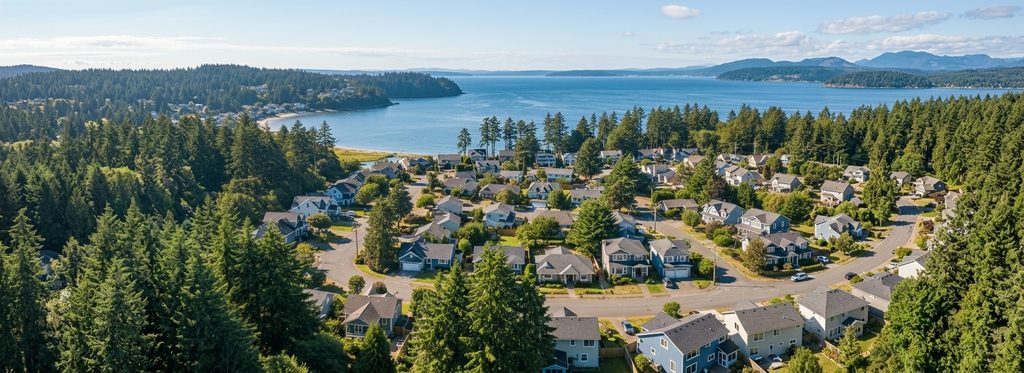
Renovating or building a home on Whidbey Island can be an exciting opportunity.
You may find an older home that needs updating, a property with room for an addition, or an undeveloped lot where you can build from the ground up.
However, island properties can come with unique considerations.
Before you start planning a kitchen remodel or designing your dream home, it is important to understand permits, utilities, zoning, septic systems, shoreline rules, and the property’s physical conditions.
We’re Jeff and Kara Vallejo, Realtors serving Whidbey Island and Anacortes. We help buyers look beyond the house itself and consider what may be possible with the property.
Here are some important things to know before renovating or building on Whidbey Island.
Do You Need a Permit to Renovate?
Many projects require permits.
The exact requirements depend on the type of work, the property’s location, and the local jurisdiction.
For example, Island County requires permits for many construction projects, and even new or replacement roofing requires a building permit.
In Oak Harbor, permits may also be required for construction, additions, alterations, and even some interior renovations.
Before starting work, find out:
- What permits are required?
- Is the project structural?
- Does plumbing or electrical work require approval?
- Are there zoning restrictions?
- Does the property have environmental limitations?
- Will the project change the home’s approved use?
A contractor or local planning department can help you determine what applies to your project.
Why Does the Property’s Location Matter?
Whidbey Island is made up of different communities and jurisdictions.
A home in Oak Harbor may have different permitting requirements from a rural property in unincorporated Island County.
The same is true for properties in communities such as Coupeville, Langley, Freeland, and Clinton.
Before buying a property with renovation plans, confirm which jurisdiction oversees the property.
This can help you avoid assuming that rules from one part of the island apply everywhere.
What Should You Know About Septic Systems?
Septic systems are an important consideration for many Whidbey Island properties.
If you are adding bedrooms, bathrooms, or increasing the size of a home, the existing septic system may need to be evaluated.
Island County’s septic permitting process considers the property’s soil, site conditions, water table, home use, and planned number of bedrooms.
Before planning an addition, ask:
- How many bedrooms is the septic system approved for?
- Where is the drainfield?
- Is there a reserve area?
- When was the system installed?
- Are records available?
- Can the existing system support the proposed changes?
A beautiful addition may not be practical if the septic system cannot support it.
What About Private Wells?
Some Whidbey Island properties use private wells instead of public water.
When building or renovating, water availability can become an important part of the project.
Island County requires water availability verification for many building permit applications.
If you are considering a property with a private well, review:
- Well records
- Water production
- Water quality
- Storage systems
- Existing equipment
- Shared-water arrangements
Understanding the water source early can help you plan your project realistically.
Are Waterfront Properties More Complicated?
They can be.
Whidbey Island has extensive shoreline, and development near the water can be subject to additional regulations.
Island County’s Shoreline Master Program generally applies to marine shorelines and associated upland areas extending 200 feet from the ordinary high-water mark, along with certain wetlands and floodplains.
That means projects such as:
- New construction
- Additions
- Exterior alterations
- Shoreline improvements
- Decks
- Stabilization work
may require additional review.
A waterfront property that looks perfect for an addition may have setbacks or environmental restrictions that limit what you can build.
What If the Property Has a Steep Slope?
Sloped properties can offer beautiful views, but they may require additional planning.
Depending on the property and project, you may need:
- Geotechnical review
- Drainage planning
- Engineering
- Retaining walls
- Slope stabilization
- Special foundation work
Island County notes that geotechnical reports may be required for projects involving steep or unstable slopes.
Before buying a property because of its view, make sure you understand what the terrain could mean for construction costs.
What Are Critical Areas?
Island County protects certain environmentally sensitive areas known as critical areas.
These can include wetlands, streams, fish and wildlife habitat, and other environmentally sensitive locations.
Development proposals may require additional studies or permits when these areas or their buffers are affected.
This is particularly important when considering:
- Rural acreage
- Waterfront property
- Wooded lots
- Wetland-adjacent property
- Properties near streams
- Large additions
- New construction
A property may have plenty of land on paper but still have a limited buildable area.
Can You Build Anywhere on a Large Lot?
Not necessarily.
A large parcel does not automatically mean you can build wherever you want.
Your buildable area may be affected by:
- Zoning
- Setbacks
- Septic requirements
- Well location
- Access
- Easements
- Wetlands
- Shoreline regulations
- Critical areas
- Flood zones
Island County’s building requirements can include approved access, water availability, septic documentation, and applicable land-use approvals before a building permit is accepted.
For this reason, buyers interested in vacant land should investigate the property before assuming they can build their preferred home.
What Should You Know About Older Whidbey Island Homes?
Older homes can have plenty of charm.
They may also need more work.
Before renovating an older property, consider inspecting:
- Roof
- Foundation
- Electrical system
- Plumbing
- Heating
- Windows
- Insulation
- Crawl space
- Drainage
- Septic system
Some renovations may also require bringing certain parts of the property into compliance with current building requirements.
A contractor and qualified inspector can help identify potential issues before you commit to a major project.
Should You Hire a Local Contractor?
For major renovations or new construction, experience with local properties can be valuable.
A contractor familiar with Whidbey Island may already understand some of the challenges associated with:
- Rural properties
- Ferry logistics
- Septic systems
- Wells
- Older homes
- Shoreline properties
- Local permitting
- Material deliveries
Washington requires licensed contractors for covered construction work, although homeowners may be able to perform certain work themselves under applicable rules and owner-contractor requirements.
Always verify licensing and insurance before hiring someone.
Should You Get a Pre-Application Review?
If your project is complicated, getting guidance before spending heavily on plans can be worthwhile.
For example, Oak Harbor offers pre-application review so applicants can discuss proposed projects with city staff before submitting a formal application.
Similarly, Island County encourages property owners to work with planning staff when projects involve shoreline, critical areas, or other development concerns.
Early conversations can help identify potential problems before you invest heavily in architectural plans or construction.
How Much Should You Budget?
Renovation costs can vary dramatically.
A cosmetic update is very different from a full remodel or new construction.
Your budget may need to include:
- Design
- Permits
- Engineering
- Contractor costs
- Materials
- Septic work
- Utility upgrades
- Site preparation
- Excavation
- Landscaping
- Unexpected repairs
On rural or waterfront properties, site conditions can add another layer of expense.
It is wise to keep a contingency fund for surprises.
Renovating vs. Building New
Sometimes buying an existing home and renovating it makes sense.
Other times, starting over may be the better option.
Renovating may make sense if:
- You like the home’s location.
- The structure is in good condition.
- The floor plan can be improved.
- Utilities are already established.
- The renovation fits your budget.
Building new may make sense if:
- The property has strong development potential.
- The existing home requires extensive repairs.
- You want a specific floor plan.
- You want modern energy-efficient features.
- The site can support your plans.
Neither option is automatically better.
The right choice depends on the property and your goals.
Questions to Ask Before Buying a Fixer-Upper
If you are considering a home that needs work, ask:
- What permits will the renovation require?
- Is the current home legally permitted?
- How old are the major systems?
- Is the septic system adequate?
- Is the property on public water?
- Are there critical areas?
- Is the property in a flood zone?
- Are there shoreline restrictions?
- Is the access adequate for construction?
- Can contractors and materials reach the property easily?
- What improvements have already been completed?
- Are permits available for previous work?
Getting answers before buying can help you understand whether the project is realistic.
Questions to Ask Before Buying Land
If you are considering vacant land, do not stop at the asking price.
Find out:
- Where can you build?
- Is there legal access?
- Is water available?
- Can the property support septic?
- What are the setbacks?
- Are there wetlands?
- Are there critical areas?
- Is the property affected by shoreline regulations?
- What utilities are nearby?
- Are there development restrictions?
- What permits will be required?
Land can look inexpensive until you understand the cost of making it buildable.
Frequently Asked Questions
Is it difficult to renovate a home on Whidbey Island?
It depends on the property and the project.
Simple cosmetic updates may be straightforward, while major additions, waterfront improvements, or rural projects can require more planning and permits.
Do you need a permit to remodel a home?
Many projects require permits, although requirements vary.
Check with the applicable city or Island County before starting work.
Can you build on waterfront property?
Potentially, but shoreline regulations may limit where and how you can build.
Properties near the shoreline may require additional review, setbacks, reports, or permits.
Can you add bedrooms to a home with septic?
Possibly, but the septic system must be able to support the approved use.
Have the septic records reviewed before assuming an addition or bedroom conversion will work.
Is building new on Whidbey Island expensive?
Costs vary widely based on the home design, site conditions, utilities, access, permits, labor, and materials.
Rural, steep, or waterfront properties can introduce additional costs.
Ready to Find a Whidbey Island Property With Potential?
Whether you are looking for a move-in-ready home, a fixer-upper, or land where you can build something of your own, understanding the property’s potential is an important part of the search.
We’re Jeff and Kara Vallejo, Realtors with Real Broker, LLC, proudly serving Whidbey Island and Anacortes.
If you are considering renovating or building on Whidbey Island, we can help you explore properties and understand the local considerations that may affect your plans. Connect with us here and tell us what you have in mind. We’d love to help you find a property that fits your vision.
Visit www.jeffandkara.com, call or text 360-632-1601, or follow us on Instagram @jeffandkaravallejo.


Add a comment
0 Comments