Whidbey Island & Anacortes Real Estate + Local Living
Moving From Seattle to Whidbey Island: What Buyers Should Expect
August 11, 2026
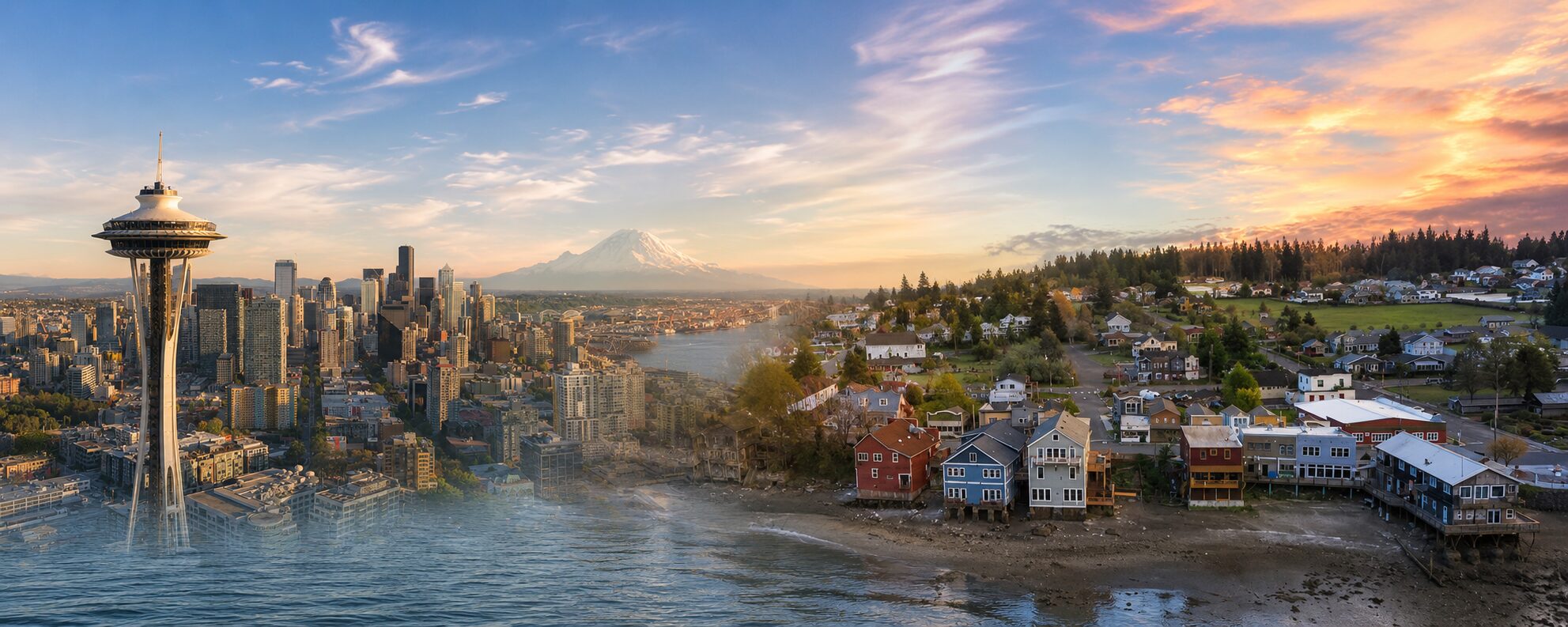
What should Seattle buyers know before moving to Whidbey Island?
Moving from Seattle to Whidbey Island offers a slower pace of life, beautiful natural surroundings, and a stronger connection to the local community. Before making the move, buyers should understand ferry travel, commuting options, wells and septic systems, and the differences between Whidbey Island’s communities and housing markets.
For many buyers, the move is not simply about leaving Seattle. It is about finding more space, spending more time outdoors, and creating a lifestyle that feels less rushed.
Why More Seattle Buyers Are Moving to Whidbey Island
Many Seattle-area buyers are looking for a different balance between work, home, and everyday life.
Instead of dense neighborhoods, heavy traffic, and limited outdoor space, Whidbey Island offers:
- Larger properties
- Waterfront and water-view homes
- Walkable small towns
- Beaches and state parks
- Local farms and markets
- A strong sense of community
- A quieter pace of life
At the same time, the island remains accessible to Seattle, Everett, and the greater Puget Sound region.
Remote and hybrid work have made moving from Seattle to Whidbey Island especially appealing for professionals who no longer need to commute into the city five days a week.
We’re Jeff and Kara Vallejo, Realtors serving Whidbey Island and Anacortes, and we have helped many buyers transition from city living to island life. Every move is different, but there are several important things buyers should understand before choosing a home.
Choosing the Right Whidbey Island Community
Whidbey Island stretches for more than 50 miles, and each community offers a different lifestyle.
Your preferred commute, access to services, housing style, and need for privacy will help determine which area is the best fit.
Oak Harbor
Oak Harbor is Whidbey Island’s largest city and offers the widest range of everyday conveniences.
Buyers will find:
- Established residential neighborhoods
- New construction homes
- Condominiums and townhomes
- Grocery stores and retail shopping
- Restaurants and coffee shops
- Healthcare services
- Convenient access to NAS Whidbey Island
Oak Harbor can be a good fit for buyers who want island living without giving up easy access to shopping and services.
It also offers direct road access to Anacortes, Mount Vernon, Burlington, and Interstate 5 through Deception Pass.
Coupeville
Coupeville offers a quieter lifestyle with historic character and waterfront scenery.
Residents enjoy:
- Historic Front Street
- Penn Cove views
- Walkable shops and restaurants
- Quiet residential neighborhoods
- Access to Ebey’s Landing
- A strong small-town atmosphere
Coupeville appeals to buyers who want central island access, historic charm, and a slower pace of life.
Its location also makes it convenient for reaching both Oak Harbor and South Whidbey.
Greenbank
Greenbank offers a more rural setting in the central portion of the island.
Buyers may find:
- Larger lots
- Wooded acreage
- Small farms
- Rural homes
- Water-view properties
- Greater privacy
Greenbank is often a good match for buyers who want more space without living at the far north or south end of Whidbey Island.
Because shops and services are more spread out, residents usually plan errands around nearby Coupeville, Freeland, or Oak Harbor.
Freeland and South Whidbey
Freeland, Langley, and Clinton appeal to buyers who want a relaxed coastal lifestyle with convenient ferry access.
South Whidbey offers:
- Beaches and parks
- Art galleries
- Boutique shopping
- Local restaurants
- Farmers markets
- Coffee shops
- Community events
- Access to the Clinton–Mukilteo ferry
Many buyers moving from Seattle choose South Whidbey because it provides a practical connection to Mukilteo, Everett, Paine Field, and the northern Seattle metro area.
Understanding the Whidbey Island Commute
Transportation is one of the biggest adjustments for buyers moving from Seattle to Whidbey Island.
Depending on where you live, getting to the mainland may involve:
- The Clinton–Mukilteo ferry
- The Coupeville–Port Townsend ferry
- Deception Pass Bridge
- A combination of ferry travel and driving
- Remote or hybrid work
South Whidbey residents generally use the Clinton ferry for trips toward Everett and Seattle.
Oak Harbor and North Whidbey residents can drive across Deception Pass without using a ferry, although the drive to Seattle is longer.
Before choosing a home, consider how often you will travel off-island and where you need to go most frequently.
Ferry Travel Becomes Part of Everyday Life
For South Whidbey residents, ferry travel often becomes a normal part of the weekly routine.
The Clinton–Mukilteo ferry is a short crossing, but total travel time can vary depending on:
- Time of day
- Seasonal traffic
- Weekend demand
- Holiday travel
- Ferry delays
- Vehicle waiting lines
Regular commuters learn which sailings are busiest and plan around them.
Buyers who work remotely or commute only a few days per week often find the ferry manageable, especially when compared with daily Seattle traffic.
Island Living Moves at a Different Pace
Life on Whidbey Island feels different from life in Seattle.
Many residents appreciate:
- Less traffic
- Quieter neighborhoods
- More open space
- Access to beaches and trails
- Friendly local businesses
- Community events
- Scenic drives
- A slower daily routine
However, certain services and stores may be farther away than they were in the city.
You may need to plan ahead for:
- Major shopping trips
- Specialty healthcare
- Home improvement supplies
- Airport travel
- Ferry schedules
- Contractor availability
For many residents, this additional planning is a small tradeoff for the privacy, beauty, and sense of community the island provides.
Homes May Have Wells and Septic Systems
One of the biggest differences between buying in Seattle and buying on Whidbey Island is the presence of rural utility systems.
Homes outside incorporated areas may rely on:
- Private wells
- Shared wells
- Community water systems
- Septic systems
- Propane tanks
- Private or shared roads
These systems are common throughout the island and can operate reliably when properly inspected and maintained.
Before purchasing, buyers should understand:
- The age and condition of the septic system
- Maintenance and pumping history
- Well flow and water quality
- Shared water agreements
- Road maintenance agreements
- Future repair or replacement costs
Working with professionals who understand island properties can help you evaluate these systems before closing.
The Whidbey Island Housing Market Is Highly Varied
Whidbey Island is not one single housing market.
Prices, inventory, property sizes, and home styles can vary significantly between North, Central, and South Whidbey.
Depending on your budget and preferred location, you may find:
- Waterfront homes
- Water-view properties
- Historic cottages
- New construction
- Rural acreage
- Established neighborhoods
- Beach communities
- Condominiums
- Small farms
- Wooded retreats
A home that would be considered unusual in Seattle may be relatively common on Whidbey Island.
Properties may include detached studios, workshops, barns, beach rights, shared wells, or acreage that requires additional due diligence.
Inventory Can Be Limited
Whidbey Island has fewer homes than the greater Seattle area, so inventory can feel limited when buyers have very specific requirements.
Homes with features such as:
- Direct waterfront access
- Unobstructed views
- Walkability
- Single-level living
- Large acreage
- Updated interiors
- High-speed internet
may attract strong interest when they come on the market.
Beginning your search early and setting up listing alerts can help you respond quickly when the right property becomes available.
Outdoor Recreation Becomes Part of Daily Life
One of the biggest benefits of moving from Seattle to Whidbey Island is how easily outdoor recreation fits into everyday life.
Residents enjoy:
- Beach walks
- Hiking at Ebey’s Landing
- Kayaking and paddleboarding
- Boating
- State parks
- Forest trails
- Farmers markets
- Whale watching
- Birdwatching
- Local festivals
- Scenic backroad drives
Instead of planning an entire weekend trip to reach nature, many residents can access beaches, parks, and trails within minutes of home.
For many buyers, that lifestyle change is one of the main reasons they move to the island.
Remote Work and Internet Access
Many professionals moving from Seattle plan to work remotely from Whidbey Island.
Internet service is available throughout much of the island, but speed and provider options vary by address.
Before making an offer, remote workers should verify:
- Available internet providers
- Maximum service speeds
- Cellular reception
- Backup hotspot options
- Power outage preparation
Do not assume that internet service will be identical from one road or neighborhood to another.
Verifying service at the property level is an important part of the buying process.
Preparing for Weather and Power Outages
Whidbey Island experiences mild Pacific Northwest weather, but windstorms and power outages can occur.
Some homeowners prepare by keeping:
- Portable generators
- Backup batteries
- Flashlights
- Emergency water
- Firewood
- Propane supplies
- Basic food and household essentials
Properties in wooded or rural areas may also require additional maintenance, including tree care, drainage management, and private road upkeep.
These responsibilities are manageable, but buyers should understand them before purchasing.
Why Work With a Local Whidbey Island Realtor?
Buying on Whidbey Island is different from buying in Seattle.
A local Realtor can help you:
- Compare island communities
- Understand realistic commute times
- Evaluate ferry access
- Review well and septic considerations
- Coordinate local inspections
- Understand waterfront and bluff concerns
- Identify community beach rights
- Review road and utility agreements
- Monitor new listings
- Connect with trusted local professionals
Local knowledge can help you avoid surprises and choose a property that fits how you plan to live.
Frequently Asked Questions
Is Whidbey Island a good place for Seattle commuters?
Yes, particularly for remote and hybrid workers.
Many South Whidbey residents use the Clinton–Mukilteo ferry to reach Everett, Paine Field, and the Seattle area. North Whidbey residents can drive off the island using Deception Pass Bridge.
The best location depends on how often you commute and where your workplace is located.
Is living on Whidbey Island more affordable than Seattle?
It can be, but affordability depends on the community and property type.
Some buyers find they can purchase a larger lot, more privacy, or additional living space compared with Seattle. Waterfront, water-view, and highly updated properties may still command premium prices.
Property maintenance, ferry travel, wells, septic systems, and rural infrastructure should also be considered when comparing costs.
How long does it take to get from Whidbey Island to Seattle?
Travel time depends on where you live.
From South Whidbey, the trip usually includes the Clinton ferry and a drive south from Mukilteo.
From Oak Harbor, residents may drive around through Deception Pass and Interstate 5.
Traffic, ferry lines, weather, and time of day can all affect the total trip.
What surprises people most after moving to Whidbey Island?
Many new residents are surprised by how quickly they adjust to the slower pace.
They often appreciate the quiet, scenery, outdoor access, local businesses, and community connections more than they expected.
Others are surprised by how much daily routines can depend on ferry schedules, weather, and longer travel times for certain services.
Can I buy a Whidbey Island home before leaving Seattle?
Yes.
Buyers can begin touring homes while still living in Seattle, and those relocating from farther away can use virtual showings, video walkthroughs, electronic signatures, and remote closing services.
Starting early gives you more time to compare communities and understand what your budget can buy.
Ready to Make the Move?
Moving from Seattle to Whidbey Island is about more than purchasing a different home. It is an opportunity to embrace a slower pace, enjoy more time outdoors, and become part of a close-knit island community.
We’re Jeff and Kara Vallejo, Realtors with Real Broker, LLC, proudly serving Whidbey Island and Anacortes. Whether you are beginning to explore island life or are ready to start touring homes, we can help you compare communities, understand local properties, and navigate your move with confidence.
Visit us at www.jeffandkara.com, call or text 360-632-1601, or follow us on Instagram @jeffandkaravallejo.


Add a comment
0 Comments