Whidbey Island & Anacortes Real Estate + Local Living
Is Whidbey Island Right for You? Questions to Ask Before Moving
August 31, 2026
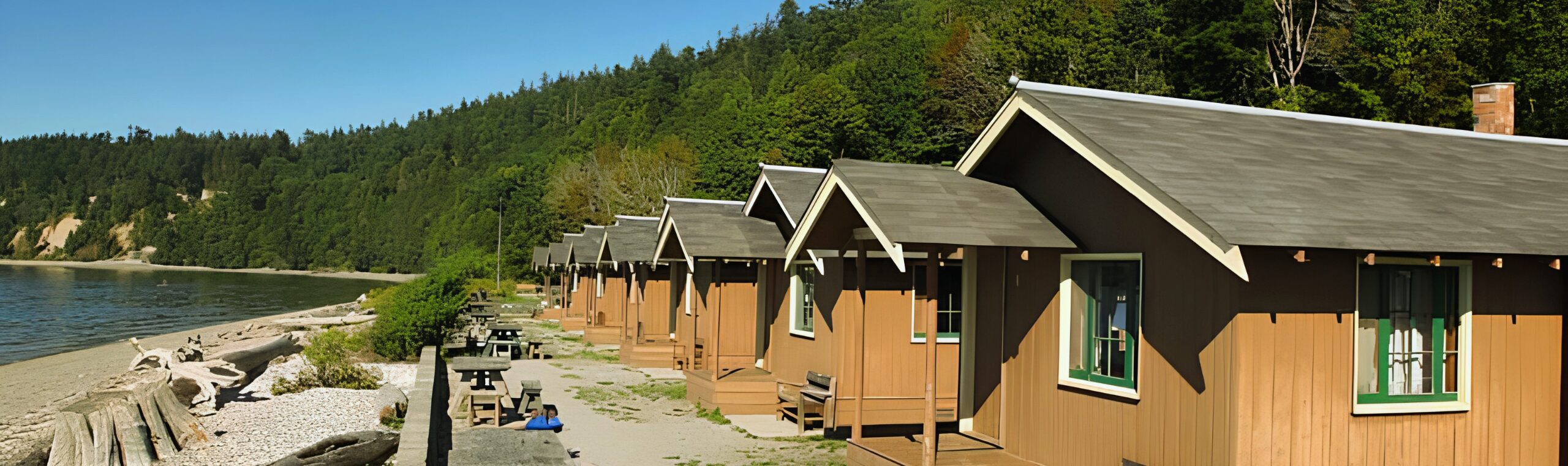
Is Whidbey Island a good place to live?
For many people, Whidbey Island is an excellent place to live.
The island offers beautiful coastal scenery, a slower pace, outdoor recreation, locally owned businesses, historic towns, and communities that often feel more connected than those in larger metropolitan areas.
However, island living is not the perfect fit for everyone.
Before moving, it is important to think carefully about your commute, access to services, preferred community, housing needs, tolerance for ferry delays, and expectations for everyday life.
Whidbey Island can feel peaceful and removed from the mainland, but it is also a long and geographically varied island. Life in Oak Harbor can feel very different from life in Coupeville, Langley, Freeland, or Clinton.
The right question is not simply, “Is Whidbey Island a good place to live?”
It is:
“Does the lifestyle Whidbey Island offers match the way I want to live?”
More Than a Move—It Is a Lifestyle Change
People do not move to Whidbey Island only for a different house.
They often move here because they want a different rhythm of life.
The island offers miles of shoreline, forested parks, open farmland, historic waterfront towns, quiet residential roads, and access to boating, hiking, kayaking, cycling, and wildlife watching.
At the same time, living on an island comes with routines and tradeoffs that may be unfamiliar.
You may need to plan around a ferry, drive farther for certain appointments, adjust to limited late-night options, maintain a septic system, or become comfortable with rural roads and changing coastal weather.
We’re Jeff and Kara Vallejo, Realtors serving Whidbey Island and Anacortes, and one of the first conversations we have with buyers is not about bedrooms or square footage.
It is about lifestyle.
If you are wondering whether Whidbey Island is right for you, these are some of the most important questions to ask before making the move.
Do You Want a Slower Pace of Life?
Life on Whidbey Island generally moves at a different pace than life in Seattle, Everett, or other larger cities.
Many residents spend more time outdoors, shop at independent businesses, attend community events, and build routines around local restaurants, markets, parks, and beaches.
Ask yourself:
- Do I enjoy quieter surroundings?
- Would I rather visit a beach or trail than a large shopping center?
- Do I appreciate small-town businesses?
- Am I comfortable when places close earlier?
- Do I want more open space?
- Would a slower social and commercial pace feel relaxing or inconvenient?
For many residents, the quieter atmosphere is one of the island’s greatest strengths.
For others, limited nightlife, fewer entertainment venues, and less immediate access to major retailers may take some adjustment.
How Often Will You Need to Leave the Island?
Transportation is one of the biggest practical considerations.
Whidbey Island has three primary connections to surrounding areas:
- The Clinton–Mukilteo ferry on South Whidbey
- The Coupeville–Port Townsend ferry in Central Whidbey
- Deception Pass Bridge at the north end
The Clinton–Mukilteo route does not offer standard vehicle reservations. Vehicles are generally loaded in arrival order, which means wait times can vary during commuter periods, summer weekends, holidays, service disruptions, and heavy travel days. Vehicle reservations are available on the Coupeville–Port Townsend route.
Ask yourself:
- Will I commute off-island every day?
- Will I work remotely?
- How often will I travel to Seattle or Everett?
- Am I comfortable checking ferry schedules and alerts?
- Can my work schedule tolerate occasional transportation delays?
- Would I prefer to live closer to Deception Pass?
- Do I need easy access to the Olympic Peninsula?
Your answers can help determine which part of Whidbey Island makes the most sense.
Are You Comfortable Planning Around the Ferry?
For many residents, the ferry becomes a normal part of life.
You learn when lines are likely to be longest, which sailings work best for appointments, and how much extra time to allow.
However, ferry travel is not always predictable.
Weather, mechanical problems, staffing, maintenance, heavy traffic, and other operating conditions can affect service. Washington State Ferries provides route schedules, alerts, terminal information, and live vessel tools, which residents commonly check before traveling.
Ferry-dependent living may work well for you if:
- Your schedule is flexible.
- You work remotely or on the island.
- You do not mind arriving early.
- You can build extra time into important trips.
- You view the crossing as part of island life.
It may be frustrating if:
- You need exact, daily mainland arrival times.
- You dislike uncertain waits.
- You frequently travel late at night.
- You need immediate access to mainland services.
- Your employer has little flexibility for delays.
Would North Whidbey Work Better for Your Commute?
North Whidbey offers direct road access to Fidalgo Island, Anacortes, Mount Vernon, Interstate 5, and the mainland through Deception Pass.
This can be valuable for buyers who want to avoid relying on a ferry for everyday travel.
Oak Harbor is also the island’s largest population center and offers the broadest concentration of shopping, restaurants, services, and employment.
North Whidbey may be a strong fit if you want:
- Easier mainland driving access
- Proximity to NAS Whidbey Island
- More retail and dining options
- A wider selection of residential neighborhoods
- Access to Deception Pass
- A more active town environment
The tradeoff is that driving to South Whidbey or the Clinton ferry can take considerable time.
Are You Comfortable With Military Aircraft Noise?
Naval Air Station Whidbey Island is a major part of North Whidbey’s economy, identity, and community.
The installation operates in the Oak Harbor area and supports military aircraft and personnel. Aircraft activity can be noticeable in some neighborhoods, and the sound level can vary significantly by property, weather, flight pattern, and training schedule.
Some residents are accustomed to the aircraft and value living near the base.
Others may find the noise more noticeable than expected.
Before purchasing near Oak Harbor or military flight areas:
- Visit the property at different times.
- Spend time outside.
- Ask about typical activity.
- Review available noise-zone information.
- Avoid judging the area from a single quiet showing.
- Consider how sound may affect remote work, sleep, pets, or outdoor time.
The experience can differ from one street to another, so evaluating the individual property matters.
Are You Comfortable With Rural Living?
Although Whidbey Island includes established towns, large portions of the island are rural.
A rural property may include:
- A private well
- A septic system
- A gravel driveway
- A private road
- Propane
- Larger acreage
- Trees and vegetation requiring maintenance
- Wildlife
- Limited street lighting
- Fewer nearby services
- Longer emergency-response or delivery times
For many buyers, these are advantages rather than disadvantages.
Rural living may provide privacy, space for gardening, room for workshops or animals, and a stronger connection to nature.
However, it can also require more maintenance, planning, and personal responsibility than a suburban home connected to public utilities.
Are You Ready to Own a Septic System?
Many Whidbey Island homes use onsite septic systems instead of municipal sewer service.
A septic system typically includes a tank and a drainfield that treats and disperses household wastewater on the property. Proper use, inspection, pumping, and maintenance are important to the system’s lifespan and performance.
Before buying a home with septic, understand:
- The approved bedroom capacity
- The system type
- The installation date
- Maintenance history
- Inspection records
- Tank location
- Drainfield location
- Reserve drainfield area
- Pumping requirements
- Repair or replacement risks
The septic system’s approved capacity may also affect future remodeling or bedroom additions.
Buyers should not assume that a large house, bonus room, or finished space means the septic system is approved for the same number of sleeping rooms.
Are You Comfortable With a Private Well or Shared Water System?
Some island homes receive water from private wells or community water systems.
Before buying, ask:
- Is the property served by a private well?
- Is the water source shared?
- Is there a water association?
- What are the regular fees?
- Who maintains the system?
- Are water-quality tests available?
- What is the production capacity?
- Is there storage or treatment equipment?
- Are there known restrictions or repairs?
Well and water-system considerations can affect inspections, financing, insurance, maintenance costs, and long-term ownership.
A property with public water may offer a different ownership experience from one with a private well, but neither is automatically better. The important issue is understanding the specific system.
How Much Home Maintenance Do You Want?
Island homes can be exposed to wind, salt air, moisture, trees, and coastal weather.
Depending on the location, homeowners may need to pay closer attention to:
- Roofing
- Siding
- Exterior paint
- Decks
- Drainage
- Moss growth
- Gutters
- Tree maintenance
- Driveways
- Retaining walls
- Shoreline erosion
- Crawl-space moisture
- Backup power
Waterfront and view properties can be beautiful, but they may also come with additional exposure and maintenance needs.
When choosing a home, consider whether you want:
- A low-maintenance property
- A condominium
- A newer home
- A wooded lot
- Acreage
- Waterfront
- A historic house
- A community with shared maintenance
The right property should fit not only your budget but also the amount of time and energy you want to spend maintaining it.
What Kind of Community Are You Looking For?
Whidbey Island’s communities have distinct characteristics.
Exploring them in person can help you decide where you feel most comfortable.
Oak Harbor
Oak Harbor is Whidbey Island’s largest city and the primary community associated with Naval Air Station Whidbey Island.
It may appeal to buyers who want:
- More shopping options
- More restaurants and services
- Family-oriented neighborhoods
- Proximity to the naval air station
- Access to medical clinics
- A shorter drive to Deception Pass
- A larger selection of housing styles
- Easier access to Anacortes and the mainland
Oak Harbor generally feels more active and commercially developed than other island towns.
Coupeville
Coupeville offers a historic waterfront, views of Penn Cove, local restaurants, and access to Central Whidbey’s preserved farmland and coastal scenery.
It may suit buyers who value:
- Historic character
- A smaller-town atmosphere
- Waterfront surroundings
- A walkable commercial area
- Proximity to WhidbeyHealth Medical Center
- Access to the Port Townsend ferry
- Nearby parks and trails
Coupeville has fewer large-scale shopping options than Oak Harbor, but it offers a strong sense of place and central access to the island.
Greenbank
Greenbank sits between Coupeville and South Whidbey.
It may appeal to buyers who want:
- A central island location
- Rural surroundings
- Access to beaches and trails
- Larger lots
- Proximity to Greenbank Farm
- A quieter residential setting
Shopping and services are more limited, so residents commonly travel to Freeland, Coupeville, or Oak Harbor for many daily needs.
Freeland
Freeland serves as a practical hub for South Whidbey.
It offers grocery shopping, professional services, restaurants, medical care, and access to nearby beaches and residential communities.
Freeland may fit buyers who want:
- South Whidbey living without being directly beside the ferry
- Everyday shopping nearby
- A mix of rural and neighborhood properties
- Access to Holmes Harbor
- A convenient location between Langley and Greenbank
Langley
Langley is known for its walkable downtown, arts community, waterfront views, restaurants, cafés, shops, and cultural events.
It may appeal to buyers who enjoy:
- Small-town charm
- Arts and theater
- Independent businesses
- Restaurants and cafés
- Walkable surroundings
- Waterfront scenery
- Community events
Homes in or near downtown may offer a different experience from rural properties outside the city.
Clinton
Clinton is the southern gateway to Whidbey Island and the location of the Mukilteo ferry terminal.
It may work well for buyers who value:
- Convenient ferry access
- A shorter mainland commute
- Access to South Whidbey amenities
- Rural and residential settings
- Proximity to beaches and farms
The closer you live to the ferry, the more convenient mainland travel may be. However, ferry traffic and vehicle lines can affect some nearby roads during busy periods.
How Far Are You Willing to Drive for Daily Needs?
Whidbey Island is longer than many newcomers expect.
A home may feel geographically close on a map while still requiring a substantial drive along two-lane roads.
Before choosing an area, consider the distance to:
- Work
- School
- Childcare
- Grocery stores
- Medical care
- Pharmacies
- Restaurants
- Ferry terminals
- Recreation
- Family and friends
- Veterinary care
- Major shopping
A beautiful rural home may be worth the drive, but buyers should experience the route rather than relying solely on mileage.
Try making the drive during the hours you expect to travel regularly.
What Level of Shopping and Entertainment Do You Expect?
Whidbey Island has grocery stores, restaurants, cafés, boutiques, farm stands, breweries, wineries, galleries, and community entertainment.
However, it does not offer the same volume of shopping, nightlife, and major entertainment as the Seattle metropolitan area.
You may need to leave the island for:
- Large shopping malls
- Specialty retail
- Certain medical specialists
- Major concerts
- Professional sporting events
- Some home-improvement materials
- Large furniture selections
- Certain business services
- Airport travel
This can be a welcome tradeoff for people seeking a quieter lifestyle.
Others may miss the convenience of having everything nearby.
Are You Ready to Support Local Businesses?
One of Whidbey Island’s strengths is its network of independently owned businesses.
Residents frequently support:
- Local coffee shops
- Family-owned restaurants
- Bookstores
- Farmers markets
- Farm stands
- Art galleries
- Small boutiques
- Wineries and breweries
- Local contractors
- Community organizations
Hours may be more limited than those of large mainland businesses, and some places close seasonally or on selected weekdays.
For many residents, knowing local owners and supporting the community is an important part of island life.
What Type of Home Fits Your Lifestyle?
Whidbey Island offers a wide range of properties.
Depending on your priorities, you may find:
- Waterfront homes
- Water-view properties
- Historic homes
- New construction
- Rural acreage
- Neighborhood homes
- Condominiums
- Homes with HOAs
- Cottages
- Farmhouses
- Cabins
- Homes near town
- Properties with workshops or outbuildings
Before searching, ask yourself:
- Do I want to walk to shops and restaurants?
- Do I want privacy or neighbors nearby?
- Do I need room for an RV or boat?
- Am I comfortable with an HOA?
- Do I want acreage?
- Do I want waterfront maintenance?
- Do I need public water or sewer?
- Would a newer home simplify ownership?
- How important is a view?
- How much yard work do I want?
The lifestyle connected to the property may matter as much as the house itself.
How Important Is Reliable Internet?
Remote workers should investigate internet service at the property level.
Do not assume that service available in one part of a road is available at every address.
Before making an offer, confirm:
- Available providers
- Connection type
- Download and upload speeds
- Equipment requirements
- Installation timelines
- Data limits
- Cellular reception
- Backup options
- Reliability during outages
A home may be perfect in every other way but unsuitable for remote work if the connection does not meet your needs.
Remote workers may also want backup power or a mobile hotspot, especially if their job requires uninterrupted video meetings or large file transfers.
Are You Prepared for Power Outages?
Like many wooded and coastal communities in the Pacific Northwest, Whidbey Island can experience power outages during windstorms and severe weather.
Outages may be brief or extended depending on the damage and location.
Consider whether you would want:
- A portable generator
- A permanently installed generator
- Battery backup
- A wood stove or fireplace
- Stored drinking water
- Flashlights and emergency supplies
- Backup internet
- A plan for well pumps
- Refrigeration backup
Homes on private wells may lose running water when the power is out unless they have an appropriate backup system.
Are You Prepared for Island Weather?
Whidbey Island weather can vary considerably by location and season.
Residents experience:
- Mild summers
- Cool, wet winters
- Wind
- Fog
- Coastal breezes
- Occasional snow or ice
- Long summer daylight
- Short winter daylight
- Rapid weather changes
Parts of Whidbey Island are influenced by the Olympic Rain Shadow, but that does not mean the island is dry or sunny every day.
Homes near exposed shorelines may experience stronger wind than inland properties.
Most residents learn to keep layers, rain protection, and sturdy shoes close by.
How Much Outdoor Recreation Do You Want?
Whidbey Island is especially appealing to people who enjoy being outdoors.
Residents have access to:
- Beach walking
- Hiking
- Kayaking
- Paddleboarding
- Boating
- Fishing
- Cycling
- Birdwatching
- Photography
- Gardening
- State parks
- Community trails
The island and surrounding area include prominent outdoor destinations such as Deception Pass State Park, Fort Ebey, Fort Casey, Ebey’s Landing, beaches, forest trails, and protected landscapes. The regional tourism organization highlights hiking, kayaking, cycling, sailing, and shoreline recreation across Whidbey Island.
If nature is central to how you want to spend your free time, Whidbey Island may be an excellent match.
How Important Is Healthcare Access?
Whidbey Island has local healthcare services, but buyers should evaluate their personal medical needs before relocating.
WhidbeyHealth operates WhidbeyHealth Medical Center in Coupeville and provides services and clinics across the island. Its current service information lists more than 25 care areas, while walk-in care is available at locations including Oak Harbor and Clinton, with additional limited service in Coupeville.
Depending on your needs, you may still travel off-island for:
- Certain specialists
- Complex procedures
- Major medical systems
- Specialized pediatric care
- Advanced treatment
- Particular insurance networks
Before moving, consider:
- How often you need medical appointments
- Whether your providers are on or off the island
- How ferry delays could affect appointments
- Your distance from emergency care
- Prescription availability
- Specialist access
- Insurance-network requirements
Retirees and people with ongoing medical conditions should investigate these issues carefully.
Is Whidbey Island a Good Place to Retire?
Whidbey Island may be an appealing retirement destination for people who value natural beauty, community activities, outdoor recreation, and a quieter pace.
However, retirement buyers should consider more than scenery.
Important questions include:
- How close is the home to medical care?
- Is the property easy to maintain?
- Are there stairs?
- Is the driveway steep?
- Could the home support aging in place?
- How far away are groceries and pharmacies?
- Will family need to use a ferry to visit?
- Is the property connected to public utilities?
- Is emergency access adequate?
- Will the location feel isolated during winter?
A low-maintenance home close to services may suit some retirees better than remote acreage, even when the rural property offers more privacy.
Is Whidbey Island Good for Remote Workers?
Whidbey Island can be an excellent setting for remote work.
Many people appreciate the quiet environment, scenery, local cafés, beaches, and opportunities to spend time outside before or after work.
However, remote workers should confirm:
- Internet availability
- Cellular coverage
- Power reliability
- Workspace needs
- Noise conditions
- Proximity to cafés or coworking options
- Travel requirements
- Airport access
- Time needed for occasional office visits
Remote work can reduce ferry dependence, but it does not eliminate the need for mainland planning.
Is Whidbey Island a Good Fit for Military Households?
Whidbey Island is home to Naval Air Station Whidbey Island, making military relocations a significant part of the local housing market.
Military households should think about:
- Distance to the assigned installation
- Gate access
- Deployment needs
- School and childcare logistics
- Future rental potential
- PCS resale timing
- Aircraft noise
- Commute routes
- HOA rental restrictions
- Property-management options
The official NAS Whidbey Island resources provide information about housing, childcare, recreation, support programs, and other quality-of-life services for military households.
A home that fits the current assignment should also support possible future PCS plans.
Do You Enjoy Community Involvement?
Whidbey Island communities offer festivals, volunteer groups, arts organizations, farmers markets, theater, environmental programs, school activities, and civic organizations.
People who become involved often find it easier to build relationships and feel connected.
Ask yourself:
- Would I attend community events?
- Do I enjoy volunteering?
- Would I support local organizations?
- Am I comfortable seeing familiar people around town?
- Do I want a place where community relationships matter?
Small-community life can feel warm and supportive, but it may also feel less anonymous than urban living.
Are You Comfortable With Fewer Late-Night Options?
Many island restaurants, shops, and services close earlier than comparable businesses in larger cities.
Late-night dining, 24-hour shopping, entertainment, and transportation options may be limited.
This may not matter if you enjoy quiet evenings at home.
It may be a significant adjustment if your lifestyle depends on:
- Late-night restaurants
- Extensive nightlife
- Frequent delivery services
- Around-the-clock shopping
- Regular concerts or clubs
- Spontaneous city activities
Visit during both daytime and evening hours to understand how the community feels after businesses close.
Would You Feel Isolated or Peaceful?
The same quiet road can feel peaceful to one buyer and isolated to another.
Consider how you respond to:
- Fewer nearby neighbors
- Dark roads
- Limited public transportation
- Longer drives
- Quiet winter evenings
- Reduced delivery options
- Distance from family
- Ferry separation
- Rural surroundings
Do not choose a location based only on how it feels during a sunny weekend visit.
Imagine living there during a dark, windy weekday in January.
That mental test can help you make a more realistic decision.
Can You Visit Before Deciding?
One of the best ways to determine whether Whidbey Island is right for you is to spend meaningful time here before buying.
Rather than visiting only popular attractions:
- Drive your potential commute.
- Visit grocery stores.
- Check cellular reception.
- Explore during rain.
- Take the ferry during a busy period.
- Visit neighborhoods at different times.
- Drive after dark.
- Try the route to medical care.
- Visit in both winter and summer if possible.
- Spend time in North, Central, and South Whidbey.
Daily life often reveals more than a vacation weekend.
Questions to Ask Before Moving to Whidbey Island
Before deciding, ask yourself:
- Do I genuinely want a slower pace?
- How often will I commute off-island?
- Can my schedule tolerate ferry delays?
- Would North Whidbey road access work better?
- Am I comfortable with military aircraft noise?
- Do I want rural living or a town setting?
- Am I prepared for septic or well ownership?
- How much property maintenance do I want?
- How close do I need to be to medical care?
- Will internet service meet my work needs?
- Do I mind fewer shopping and dining options?
- How important is nightlife?
- Do I want acreage, waterfront, or a neighborhood?
- Will friends and family visit easily?
- Would the winter feel peaceful or isolating?
- What do I want my normal Tuesday to look like?
That final question may be the most important.
A beautiful weekend destination is not automatically the right place for everyday life.
Signs Whidbey Island May Be Right for You
You may enjoy living on Whidbey Island if:
- You want a quieter lifestyle.
- You value nature and outdoor recreation.
- You enjoy small communities.
- You support independent businesses.
- You are comfortable planning travel.
- You want more space or privacy.
- You work remotely or locally.
- You appreciate coastal weather.
- You do not need constant urban entertainment.
- You are willing to learn about wells, septic systems, and rural property.
Signs You May Need to Think Carefully
Island life may require more adjustment if:
- You commute to Seattle daily.
- You dislike relying on ferries.
- You need frequent specialty medical care.
- You want extensive nightlife.
- You require immediate access to major shopping.
- You do not want property maintenance.
- You are uncomfortable with rural roads.
- You need guaranteed high-speed internet without verifying availability.
- You dislike aircraft noise.
- You want to remain close to a major airport or metropolitan center.
None of these automatically rules out Whidbey Island.
They simply affect which location and property may work best.
Why So Many People Choose Whidbey Island
People move to Whidbey Island for many different reasons.
Some come for:
- Military assignments
- Retirement
- Remote work
- Waterfront living
- Outdoor recreation
- A second home
- More space
- Small-town community
- A change from city life
- Proximity to family
The combination of natural beauty, community character, recreation, and access to the broader Pacific Northwest creates a lifestyle that can be difficult to replicate.
For buyers whose priorities align with island living, Whidbey Island can feel like home very quickly.
Frequently Asked Questions
Is Whidbey Island a good place to retire?
Whidbey Island can be a good retirement destination for people who value scenery, outdoor recreation, community activities, and a slower pace.
Retirees should carefully consider healthcare access, property maintenance, transportation, stairs, winter conditions, and distance from family before choosing a home.
Is Whidbey Island a good place for remote workers?
Yes, Whidbey Island can work well for remote workers who want a quieter environment and access to nature.
Internet service and cellular coverage should be verified for the specific property. Remote workers should also consider power-outage preparation and the frequency of required mainland travel.
Can you commute from Whidbey Island to Seattle?
It is possible, particularly from South Whidbey through the Clinton–Mukilteo ferry.
However, ferry waits and metropolitan traffic can make a daily commute lengthy and unpredictable.
Buyers should test the commute during their actual working hours before purchasing.
Do you need to take a ferry to live on Whidbey Island?
Not necessarily.
North Whidbey connects to Fidalgo Island and the mainland through Deception Pass Bridge.
South Whidbey residents commonly use the Clinton–Mukilteo ferry, while Central Whidbey residents may use either ferry routes or drive north through Deception Pass.
Is Whidbey Island isolated?
Whidbey Island is connected to surrounding communities by bridges and ferries, but certain services, specialists, retailers, and entertainment options require off-island travel.
Whether it feels isolated depends on where you live, how often you travel, and what amenities you expect nearby.
Does Whidbey Island have a hospital?
Yes.
WhidbeyHealth Medical Center is located in Coupeville, and WhidbeyHealth operates clinics and services in multiple island communities. Some specialized or advanced care may still require travel off-island.
Are most homes on Whidbey Island on septic systems?
Many properties outside areas with municipal sewer service use septic systems.
Utility arrangements vary by location, so buyers should confirm whether each property has sewer, septic, public water, a private well, or a community water system.
Is Whidbey Island always quiet?
No.
Some areas are very quiet, while others experience ferry traffic, highway noise, tourism activity, community events, boating, or military aircraft operations.
Visit the specific neighborhood at different times before buying.
What should I know before moving to Whidbey Island?
Before moving, consider:
- Your commute
- Ferry use
- Aircraft noise
- Healthcare needs
- Internet service
- Shopping expectations
- Preferred community
- Septic and well responsibilities
- Property maintenance
- Power-outage preparation
- Distance from family
- Seasonal lifestyle changes
Working with local professionals and spending time in several island communities can help you make a more confident decision.
Ready to See Whether Whidbey Island Feels Like Home?
Moving is about more than finding the right property.
It is about finding a place where your everyday life feels comfortable, sustainable, and connected to the things you value most.
Whether you are relocating from Seattle, moving for Naval Air Station Whidbey Island, retiring, working remotely, or coming from another state, understanding the realities of island living is an important first step.
We’re Jeff and Kara Vallejo, Realtors with Real Broker, LLC, proudly serving Whidbey Island and Anacortes. We can help you explore different communities, understand local property considerations, and find a home that fits both your lifestyle and long-term goals.
Visit us at www.jeffandkara.com, call or text 360-632-1601, or follow us on Instagram @jeffandkaravallejo.


Add a comment
0 Comments