Whidbey Island & Anacortes Real Estate + Local Living
What Are the Downsides of Living on Whidbey Island?
September 3, 2026
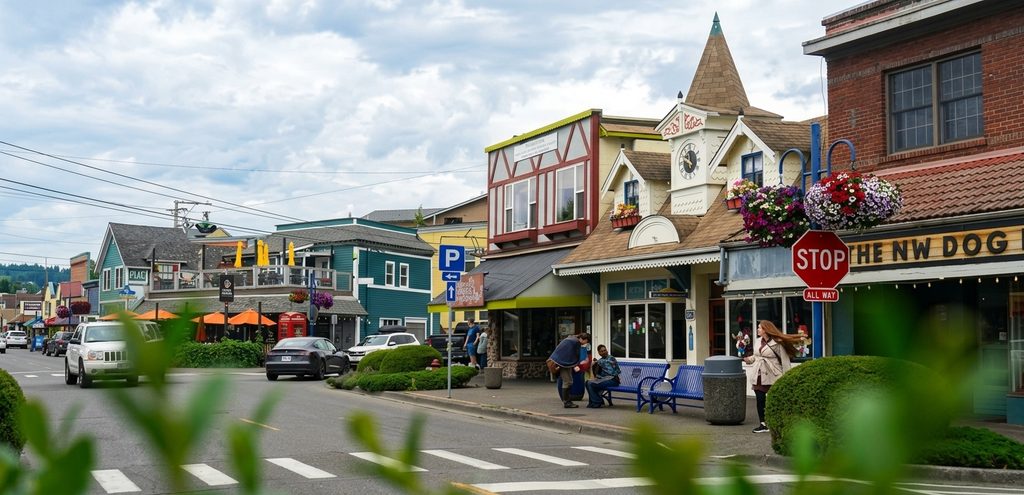
Whidbey Island offers beautiful views, quiet communities, and a slower pace of life.
However, island living also comes with a few challenges.
The biggest downsides include ferry travel, higher everyday costs, fewer big-box stores, and seasonal weather.
None of these are dealbreakers for most people who choose Whidbey Island. Still, it is important to know what daily life is really like before making a move.
Ferry Travel Can Take Planning
For many residents, ferry travel is simply part of island life.
If you work on the mainland, your schedule may depend on ferry times. Lines can also get longer during summer weekends, holidays, and other busy travel periods.
South Whidbey residents often use the Clinton–Mukilteo ferry when traveling toward the Seattle area.
There is also the Deception Pass Bridge, which connects North Whidbey to Fidalgo Island without a ferry.
That can be helpful, but the drive from South Whidbey to Seattle can take much longer.
If you commute regularly, try the trip before buying a home.
Everyday Costs Can Be Higher
Living on an island can sometimes mean paying more for everyday goods and services.
Groceries, gas, home repairs, and other services may cost more than you are used to paying on the mainland.
Part of this comes from the added cost of getting goods and supplies to the island.
The difference may not be huge for every item, but it is something to include in your monthly budget.
There Are Fewer Big-Box Stores
Whidbey Island has many local shops, restaurants, farm stands, and small businesses.
That is one of the things residents love about the island.
At the same time, you will not find the same number of large chain stores and shopping centers that you would in a major city.
For certain purchases, you may need to drive to Oak Harbor, travel to the mainland, or order online.
If you enjoy having many stores within a few minutes of home, this may take some adjustment.
The Weather Changes With the Seasons
Whidbey Island has beautiful summers, but the cooler months can be very different.
Late fall and winter often bring:
- Gray skies
- Rain
- Wind
- Shorter days
- Cooler temperatures
For people who enjoy cozy winters, this may not be a problem.
However, if you prefer sunshine all year, the darker and wetter months may be harder to adjust to.
The good news is that summer can bring long daylight hours and beautiful weather for enjoying the outdoors.
Some Services May Require a Longer Drive
Whidbey Island has grocery stores, healthcare, restaurants, schools, and other everyday services.
Still, certain specialty services may not be available close to your home.
Depending on where you live, you may need to drive farther for:
- Specialty healthcare
- Large shopping trips
- Certain home supplies
- Specialty repairs
- Major entertainment
- Airport travel
Because of this, location matters.
A home that feels perfect during a showing may not feel as convenient once you start making the same drive every week.
Rural Living Comes With Extra Work
Some Whidbey Island homes are located on larger lots or in rural areas.
That can mean more privacy and space.
However, it can also mean taking care of a private well, septic system, driveway, trees, or other parts of the property yourself.
Before buying a rural home, make sure you understand what you will be responsible for maintaining.
Is Living on Whidbey Island Worth It?
For many residents, the answer is yes.
The tradeoffs are real, but so are the benefits.
You get access to beaches, trails, forests, small towns, local businesses, and beautiful views. Many people also enjoy the quieter pace and strong sense of community.
The key is knowing what you are giving up and what you are gaining.
Frequently Asked Questions
What is the biggest downside of living on Whidbey Island?
For many people, it is ferry travel, especially if they commute to the mainland regularly.
Is it expensive to live on Whidbey Island?
Costs can be higher for some groceries, gas, services, and home-related expenses. Your total cost will also depend on where you live and your lifestyle.
Does Whidbey Island have big-box stores?
There are fewer big-box shopping options than you would find in larger mainland cities. Oak Harbor has the most everyday shopping choices on the island.
Does Whidbey Island get a lot of rain?
Whidbey Island has wet, gray periods during fall and winter. Summers are generally much drier and can have long stretches of pleasant weather.
Do you need a car on Whidbey Island?
For most residents, having a car is very helpful. Public transportation is limited compared with larger cities, and many communities are spread out.
Before You Move to Whidbey Island
Whidbey Island may not be perfect.
However, the things that some people see as downsides are exactly what others love about island life.
Fewer big stores can mean more local businesses. A slower commute can come with beautiful scenery. Rural homes can require more work but offer more privacy.
We’re Jeff and Kara Vallejo, Realtors with Real Broker, LLC, proudly serving Whidbey Island and Anacortes.
If you are considering a move, we can help you understand the different communities and find a home that fits your lifestyle, budget, and daily needs. Connect with us here and tell us a little about your plans. We’d love to help you get started.
Visit www.jeffandkara.com, call or text 360-632-1601, or follow us on Instagram @jeffandkaravallejo.


Add a comment
0 Comments