Whidbey Island & Anacortes Real Estate + Local Living
The Ultimate Guide to State Parks on Whidbey Island
August 21, 2026
What state parks are on Whidbey Island?
The main state parks on Whidbey Island are Deception Pass State Park, Fort Casey Historical State Park, Fort Ebey State Park, Joseph Whidbey State Park, and South Whidbey State Park.
Together, these parks offer coastal hiking, beaches, camping, historic military structures, lighthouse views, old-growth forests, wildlife watching, and some of the most memorable scenery in Washington.
Each park offers a different experience, from the dramatic cliffs and bridges of Deception Pass to the peaceful shoreline at Joseph Whidbey State Park.
Why Whidbey Island Is a Paradise for Outdoor Lovers
One of the greatest benefits of living on Whidbey Island is that outdoor recreation is never far away.
Whether you want to take an easy beach walk, explore a historic fort, hike through a forest, watch the sunset, or spend a weekend camping, there is a park nearby that fits the day you have in mind.
We’re Jeff and Kara Vallejo, Realtors serving Whidbey Island and Anacortes, and one of the things we love most about island life is having these beautiful outdoor spaces practically in our backyard.
Here is your guide to the state parks on Whidbey Island and what makes each one worth visiting.
Deception Pass State Park
Deception Pass State Park is one of Whidbey Island’s most recognizable destinations.
The park stretches across Whidbey and Fidalgo islands, connected by the iconic Deception Pass bridges. Its landscape includes rugged cliffs, old-growth forest, beaches, lakes, coves, and dramatic views of the surrounding waterways.
Popular activities include:
- Hiking
- Beachcombing
- Camping
- Kayaking
- Paddleboarding
- Fishing
- Boating
- Wildlife viewing
- Photography
- Picnicking
One of the highlights is walking across Deception Pass Bridge and looking down at the powerful currents moving through the narrow channel below.
Visitors can also explore areas such as Bowman Bay, Rosario Beach, North Beach, West Beach, Cranberry Lake, and Cornet Bay.
Because the park is large, it is worth deciding which area you want to see before arriving.
Some facilities and access areas operate on seasonal schedules, so visitors should check current park notices before their trip.
Fort Casey Historical State Park
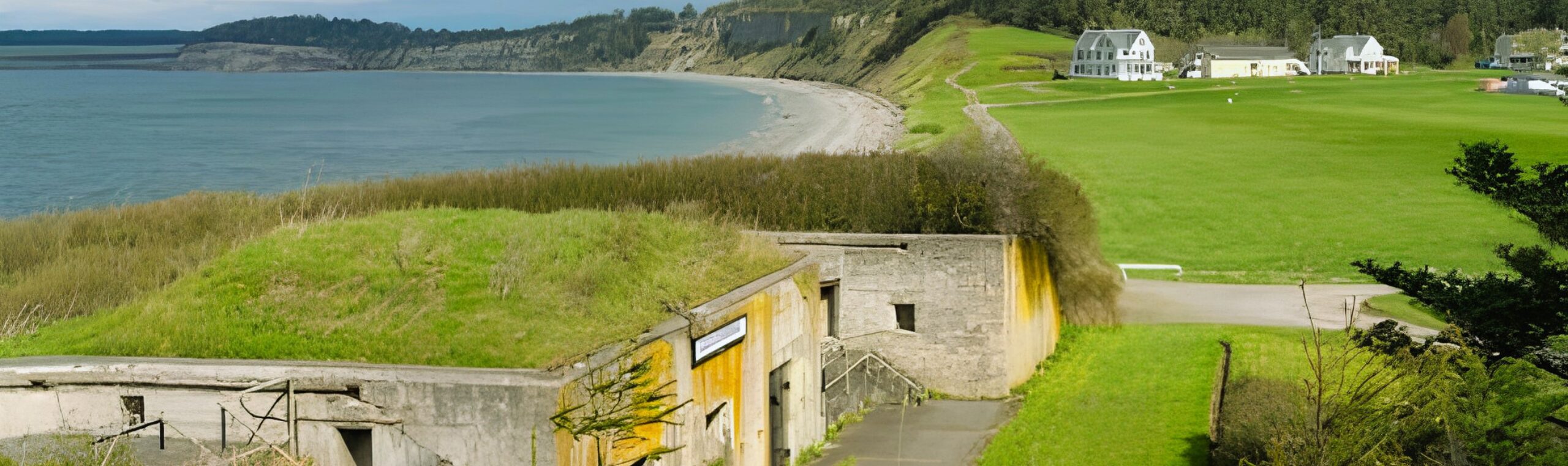
Located near Coupeville, Fort Casey Historical State Park combines military history with expansive views across Admiralty Inlet.
The fort was developed as part of the coastal defense system protecting the entrance to Puget Sound. Today, visitors can walk through historic gun batteries, explore the open grounds, and enjoy views of passing ferries and marine traffic.
Park highlights include:
- Historic gun batteries
- Admiralty Head Lighthouse
- Beach access
- Walking paths
- Picnic areas
- Camping
- Birdwatching
- A boat launch
- Views of Admiralty Inlet
The Admiralty Head Lighthouse is one of Whidbey Island’s most photographed landmarks.
Fort Casey is also close to the Coupeville–Port Townsend ferry terminal, making it easy to combine a park visit with a ferry trip or time in downtown Coupeville.
The park is open for day use throughout the year, although individual facilities and lighthouse access may have separate schedules.
Fort Ebey State Park
Fort Ebey State Park is one of the best state parks on Whidbey Island for hiking, mountain biking, and panoramic coastal views.
The park preserves a World War II-era military installation built to strengthen the coastal defenses around Puget Sound. Visitors can still explore concrete bunkers while looking west across the Strait of Juan de Fuca.
Popular activities include:
- Bluff-top hiking
- Forest walks
- Mountain biking
- Beach access
- Camping
- Historic bunker exploration
- Wildlife watching
- Photography
- Paragliding when conditions permit
The park’s trail system connects forested areas, open fields, lakes, and bluff-top viewpoints.
The Bluff Trail is especially popular, but visitors should stay well back from unstable edges and keep children and pets close.
Fort Ebey is open for day use year-round, while campground availability may be seasonal.
Joseph Whidbey State Park
Joseph Whidbey State Park sits along the western side of North Whidbey near Oak Harbor.
This day-use park offers a quieter experience than many of the island’s larger destinations. Visitors come for shoreline walks, open grassy areas, picnics, birdwatching, and views across the Strait of Juan de Fuca.
Visitors enjoy:
- Beach walks
- Picnic areas
- Easy trails
- Open grassy spaces
- Birdwatching
- Sunset views
- Driftwood-covered shoreline
- Family outings
At low tide, more shoreline becomes available for walking and beachcombing.
Joseph Whidbey State Park is generally open from spring through fall and closes during the winter season, currently listed as November 1 through March 31. Visitors should confirm current dates before planning a trip.
South Whidbey State Park
South Whidbey State Park offers a peaceful combination of forest trails and saltwater shoreline.
Unlike the open bluffs of Fort Ebey, this park is known for its shaded forest environment, towering trees, fern-covered trails, and quiet natural setting.
Popular activities include:
- Forest hiking
- Beach access
- Picnicking
- Birdwatching
- Wildlife viewing
- Nature photography
- Peaceful walks
South Whidbey State Park is currently designated as a day-use park rather than an overnight camping destination.
Trail conditions and closures can change due to maintenance, storms, or fallen trees. Visitors should check current notices before arriving.
Which Whidbey Island State Park Is Best for Hiking?
The best parks for hiking include:
- Fort Ebey State Park
- Deception Pass State Park
- South Whidbey State Park
Fort Ebey is ideal for bluff views and mixed-use trails.
Deception Pass offers the greatest variety, with coastal, forest, lake, and beach routes.
South Whidbey is a strong choice for quiet, shaded forest walks.
Which State Park Is Best for Families?
Family-friendly options include:
- Joseph Whidbey State Park
- Fort Casey Historical State Park
- Deception Pass State Park
Joseph Whidbey is well suited for picnics and relaxed beach walks.
Fort Casey gives families the opportunity to explore history while enjoying open lawns and shoreline views.
Deception Pass offers beaches, trails, picnic areas, and many different places to explore, although some terrain requires close supervision.
Which State Parks Offer Camping?
Camping opportunities are available at:
- Deception Pass State Park
- Fort Casey Historical State Park
- Fort Ebey State Park
Campground seasons, site types, and availability vary.
Reservations are strongly recommended, particularly during summer and holiday weekends. Washington State Parks generally allows reservations up to nine months in advance for many reservable accommodations and campsites.
South Whidbey and Joseph Whidbey are currently day-use parks rather than regular overnight camping destinations.
Which Parks Are Best for History?
The top choices for history are:
- Fort Casey Historical State Park
- Fort Ebey State Park
Fort Casey preserves an early-20th-century coastal defense installation and includes the Admiralty Head Lighthouse.
Fort Ebey preserves a World War II-era military facility overlooking the Strait of Juan de Fuca.
Which State Parks Are Best for Photography?
Photographers may especially enjoy:
- Deception Pass State Park
- Fort Casey Historical State Park
- Fort Ebey State Park
- Joseph Whidbey State Park
- South Whidbey State Park
Deception Pass offers bridge views, moving water, forests, beaches, and sunsets.
Fort Casey provides lighthouse, fort, ferry, and mountain views.
Fort Ebey and Joseph Whidbey are excellent for western sunsets, while South Whidbey offers forest details and softer coastal scenery.
Which Parks Are Best for Sunset Views?
Popular sunset destinations include:
- Fort Ebey State Park
- Joseph Whidbey State Park
- Deception Pass State Park
- Fort Casey Historical State Park
West-facing areas often offer especially beautiful evening light over the Strait of Juan de Fuca and Admiralty Inlet.
Weather conditions change quickly near the water, so bring an extra layer even during summer.
Do You Need a Discover Pass?
A Discover Pass is generally required when parking at Washington State Parks.
Current base prices are:
- Annual Discover Pass: $45
- One-Day Discover Pass: $10
Transaction or dealer fees may apply depending on where the pass is purchased.
One annual pass can be assigned to two vehicles, but it may only be used by one vehicle at a time.
Overnight campers generally do not need a separate Discover Pass for the state park where they are staying during their registered visit. A pass may still be required when visiting another state park or other eligible state recreation land.
Where Can You Buy a Discover Pass?
Discover Passes can generally be purchased:
- Through Washington State Parks
- Online through the official Discover Pass system
- At participating retailers
- From staffed park locations when available
- With certain vehicle or boat-registration transactions
Purchase options and added transaction fees may vary.
It is usually easiest to buy a pass before arriving, especially when visiting a park early in the morning or outside staffed hours.
What Should You Bring to a Whidbey Island State Park?
A little preparation can make your visit more comfortable.
Consider bringing:
- Comfortable walking or hiking shoes
- A rain jacket
- Warm layers
- Drinking water
- Snacks or a picnic
- Sunscreen
- Binoculars
- A camera
- A tide schedule
- A park map
- A leash and waste bags for dogs
- Your Discover Pass
Coastal weather may change quickly, even when the forecast appears mild.
Check Tide Conditions Before Visiting Beaches
Tides can significantly change the appearance and accessibility of Whidbey Island beaches.
At low tide, visitors may find:
- Wider walking areas
- Tide pools
- Sand flats
- Additional beachcombing opportunities
- Easier access along some shorelines
At high tide, beaches can become narrow or inaccessible in places.
Always make sure you have a safe route back to the access point and avoid becoming trapped between the water and a bluff.
Keep a Safe Distance From Bluffs
Several Whidbey Island state parks include steep coastal bluffs.
These areas may be unstable due to erosion, rain, wind, and natural soil conditions.
Visitors should:
- Remain on designated trails
- Stay back from bluff edges
- Follow closure signs
- Avoid climbing unstable slopes
- Keep children and pets close
- Never stand directly below visibly eroding bluffs
Beautiful views are available without leaving established paths.
Are Dogs Allowed in Whidbey Island State Parks?
Dogs are generally allowed on leash in Whidbey Island state parks.
Owners should:
- Follow all posted leash rules
- Pick up pet waste
- Keep dogs away from wildlife
- Avoid restricted areas
- Bring drinking water
- Stay on designated trails
Rules can vary by location or season, so check posted signs when you arrive.
Watch for Wildlife Responsibly
Whidbey Island’s state parks provide habitat for birds, deer, marine mammals, and other wildlife.
Depending on the location and season, visitors may see:
- Bald eagles
- Great blue herons
- Seabirds
- Deer
- Harbor seals
- River otters
- Porpoises
- Migrating whales
Use binoculars or a zoom lens and avoid approaching, feeding, or disturbing wildlife.
Check Current Alerts Before Visiting
Park access, trails, campgrounds, burn rules, and facilities can change because of:
- Storm damage
- Maintenance
- Seasonal closures
- Wildfire conditions
- Fallen trees
- Construction
- Flooding
- Staffing limitations
Washington State Parks maintains current park pages and alert information.
Checking before leaving home can prevent an unnecessary trip or help you choose an alternate trail or park.
Why State Parks Are One of the Best Parts of Living Here
One of the biggest surprises for many new residents is how frequently these parks become part of their everyday routines.
What begins as a weekend outing can quickly become:
- A morning hike before work
- A beach walk after dinner
- A family picnic
- A place to take visiting friends
- A quiet spot for photography
- A sunset tradition
- A regular dog-walking route
Instead of driving hours to reach nature, many Whidbey Island homeowners live only minutes from forests, beaches, coastal bluffs, and historic landmarks.
That access is one of the many reasons people fall in love with island living.
Frequently Asked Questions
How many state parks are on Whidbey Island?
The island has five principal Washington State Parks destinations:
- Deception Pass State Park
- Fort Casey Historical State Park
- Fort Ebey State Park
- Joseph Whidbey State Park
- South Whidbey State Park
Deception Pass State Park spans both Whidbey Island and Fidalgo Island.
What is the most popular state park on Whidbey Island?
Deception Pass State Park is generally the island’s best-known park because of its iconic bridges, extensive trail system, camping areas, beaches, forests, and dramatic water views.
It is also one of the largest and most varied park experiences in the region.
Which Whidbey Island state park is best for hiking?
Fort Ebey and Deception Pass offer some of the island’s most extensive and varied hiking opportunities.
South Whidbey State Park is a good alternative for visitors looking for quieter forest trails.
Do I need a Discover Pass for Whidbey Island state parks?
A Discover Pass is generally required for day-use vehicle parking at Washington State Parks.
The annual pass is currently $45, and a one-day pass is $10 before possible transaction fees.
Can you camp at every state park on Whidbey Island?
No.
Deception Pass, Fort Casey, and Fort Ebey offer camping opportunities.
Joseph Whidbey and South Whidbey are currently day-use parks. Campground operations and seasons should always be verified before traveling.
Are Whidbey Island state parks open year-round?
Some parks are open for day use throughout the year, but specific campgrounds, roads, restrooms, trails, and facilities may close seasonally.
Joseph Whidbey State Park currently closes during the winter, and parts of Deception Pass also operate on seasonal schedules.
Ready to Explore Whidbey Island?
The state parks on Whidbey Island are more than places to visit. For many residents, they become part of everyday life.
Whether you’re hiking coastal bluffs, exploring historic forts, walking through an old forest, enjoying a quiet beach, or camping under the stars, these parks showcase the natural beauty and history that make island living so special.
We’re Jeff and Kara Vallejo, Realtors with Real Broker, LLC, proudly serving Whidbey Island and Anacortes. If you’re considering making Whidbey Island your home, we would love to help you find a property near the parks, trails, beaches, and communities that fit your lifestyle.
Visit us at www.jeffandkara.com, call or text 360-632-1601, or follow us on Instagram @jeffandkaravallejo.


Add a comment
0 Comments