Whidbey Island & Anacortes Real Estate + Local Living
Hidden Beaches Only Locals Know on Whidbey Island
August 13, 2026
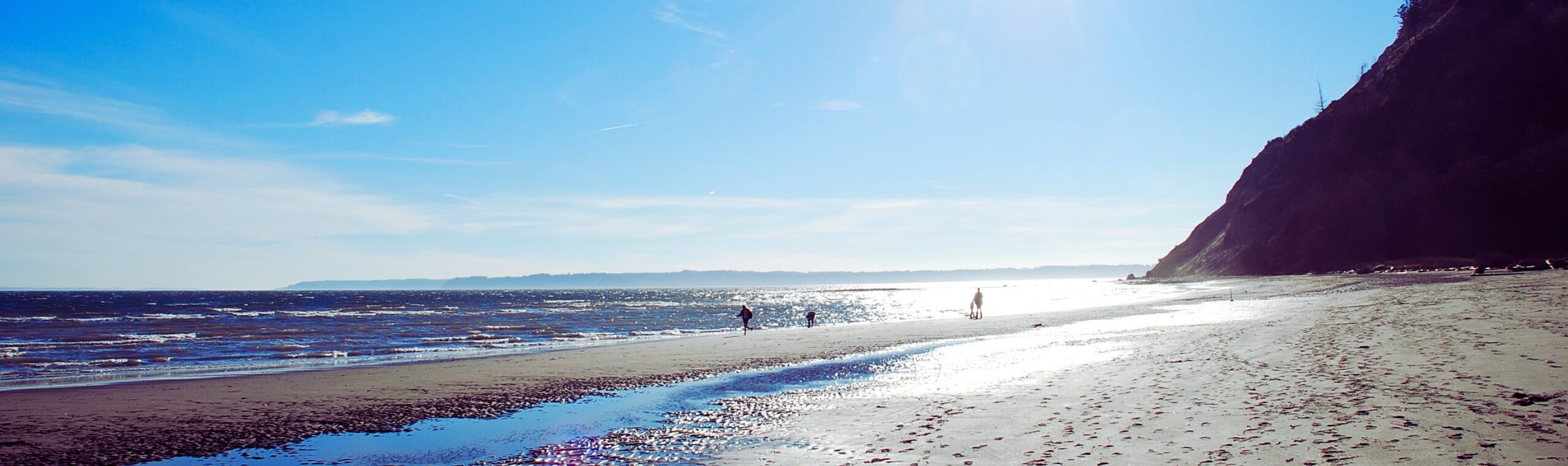
What are some hidden beaches on Whidbey Island?
Some of the best hidden beaches on Whidbey Island are quieter shoreline spots that many visitors overlook. While Deception Pass and Double Bluff attract larger crowds, places such as Dugualla Bay, Maxwelton Beach, Robinson Beach, Possession Beach Waterfront Park, Clinton Beach Park, and Joseph Whidbey State Park offer peaceful walks, wildlife viewing, and beautiful coastal scenery.
These beaches may not be completely secret, but they often provide a quieter alternative to the island’s most popular destinations.
Discover a Quieter Side of Whidbey Island
One of the best parts of living on Whidbey Island is that you never have to travel far to find a peaceful stretch of shoreline.
Popular destinations such as Deception Pass State Park, Fort Ebey, and Double Bluff Beach deserve their reputation, but locals also know about smaller beaches where you can watch wildlife, search for shells, photograph the sunset, or simply listen to the waves without the busiest summer crowds.
We’re Jeff and Kara Vallejo, Realtors serving Whidbey Island and Anacortes, and access to beaches and outdoor recreation is one of our favorite parts of island life.
Here are several quieter Whidbey Island beaches worth adding to your list.
Dugualla Bay
Located north of Oak Harbor, Dugualla Bay offers a peaceful coastal setting with excellent opportunities for birdwatching and nature photography.
Public access is more limited than at the island’s larger parks, which helps keep the area quieter.
Visitors may enjoy:
- Peaceful shoreline walks
- Sunrise views
- Birdwatching
- Wildlife photography
- Calm natural surroundings
- Views across the bay
The wetlands and shoreline around Dugualla Bay attract a variety of birds, including ducks, herons, and bald eagles.
Because access points can be small and private property surrounds parts of the bay, visitors should remain within clearly marked public areas.
Maxwelton Beach
Located near Clinton on South Whidbey Island, Maxwelton Beach offers a long shoreline and a relaxed, family-friendly atmosphere.
The nearby park provides convenient amenities while the beach itself offers plenty of room to explore, especially when the tide is out.
Visitors can enjoy:
- Sandy and mixed shoreline
- Beachcombing
- Calm water
- Picnic areas
- Family outings
- Sunset views
- Low-tide walks
Maxwelton Beach is a good option for families who want convenient beach access without visiting one of the island’s busiest state parks.
Check the tide schedule before visiting, as low tide provides more shoreline for walking and exploring.
Robinson Beach
Robinson Beach near Freeland feels tucked away beneath the surrounding bluff.
Access generally requires walking down a staircase, which can make the beach feel more secluded than easily accessible waterfront parks.
Visitors who make the walk down may find:
- Sandy shoreline
- Driftwood
- Water views
- Passing boats
- Peaceful places to sit
- Photography opportunities
- A quieter coastal atmosphere
Robinson Beach is well suited for reading, relaxing, watching the water, or spending an unhurried afternoon along the shoreline.
Visitors should be prepared to climb the stairs back to the access point after their beach visit.
Possession Beach Waterfront Park
Located near the southern end of Whidbey Island, Possession Beach Waterfront Park provides a quiet shoreline experience with nearby trails and views across the water.
The beach features a mix of rocks, driftwood, and natural shoreline.
Visitors come for:
- Seabird watching
- Possible seal sightings
- Coastal walks
- Driftwood beaches
- Picnics
- Hiking trails
- Scenic water views
The beach and surrounding park can be especially enjoyable for visitors who want to combine a waterfront walk with a short hike.
Bringing binoculars can make it easier to spot marine wildlife and birds offshore.
Clinton Beach Park
Clinton Beach Park sits near the Clinton–Mukilteo ferry terminal, making it one of South Whidbey’s easiest beaches to overlook.
Although the park is small, it provides a convenient place to enjoy the waterfront and watch ferries cross between Whidbey Island and Mukilteo.
Highlights include:
- Ferry views
- Easy shoreline access
- Driftwood
- Photography opportunities
- A convenient location
- A peaceful place to wait before a sailing
Clinton Beach Park is a simple but enjoyable stop before boarding the ferry or after arriving on the island.
Joseph Whidbey State Park Beach
Joseph Whidbey State Park is well known among local residents but can be missed by first-time visitors who head directly to Deception Pass.
The park’s western shoreline offers expansive views and broad areas to explore when the tide is low.
Visitors enjoy:
- Wide sand flats at low tide
- Beachcombing
- Birdwatching
- Family walks
- Marine life viewing
- Evening sunsets
- Views across the Strait of Juan de Fuca
Because the shoreline changes significantly with the tides, planning your visit around low tide can provide a much different experience.
It is also a beautiful place to watch changing weather and evening light over the water.
Why Locals Love Whidbey Island’s Quieter Beaches
The appeal of these beaches is not that no one knows about them.
What makes them special is that they often provide a slower and more peaceful experience than the island’s major attractions.
Instead of large crowds and packed parking areas, visitors may find:
- Quiet shoreline walks
- Wildlife encounters
- Driftwood-covered beaches
- Beautiful sunsets
- Peaceful picnic spots
- Space to sit and enjoy the water
- A stronger connection to the island’s natural environment
These smaller destinations remind us that some of Whidbey Island’s best experiences come from slowing down and exploring beyond the most familiar stops.
Tips for Visiting Hidden Beaches on Whidbey Island
Many quieter beaches have fewer amenities and smaller access points than the island’s major parks.
Before heading out, keep these tips in mind:
- Check local tide charts before visiting.
- Confirm that you are using a public access point.
- Respect private property.
- Stay on marked trails and stairways.
- Pack out everything you bring.
- Leave shells, driftwood, and natural areas undisturbed.
- Keep dogs leashed unless signs clearly permit off-leash use.
- Wear sturdy shoes on rocky or uneven shorelines.
- Bring extra layers because coastal weather can change quickly.
- Carry binoculars for wildlife viewing.
- Avoid disturbing seals, birds, and other wildlife.
Some beaches may have limited parking, so avoid blocking roads, driveways, or emergency access areas.
Check the Tides Before You Go
Tides can dramatically change the appearance and accessibility of Whidbey Island’s beaches.
At low tide, visitors may discover:
- Wider walking areas
- Sand flats
- Tide pools
- Shellfish beds
- Driftwood
- Additional beachcombing opportunities
At high tide, parts of the shoreline may become narrow or temporarily inaccessible.
Always pay attention to the tide schedule and make sure you have a safe route back to the access point.
Protect Whidbey Island’s Shorelines
Whidbey Island’s beaches are home to birds, marine mammals, shellfish, and other wildlife.
Visitors can help protect these environments by:
- Keeping a respectful distance from wildlife
- Avoiding nesting areas
- Staying off fragile bluffs
- Taking trash home
- Following posted rules
- Keeping pets under control
- Leaving natural objects where they are found
Responsible beach use helps preserve these special places for residents, visitors, and future generations.
Frequently Asked Questions
Are there quiet beaches on Whidbey Island?
Yes.
While Deception Pass, Double Bluff, Fort Casey, and Fort Ebey are popular destinations, several smaller beaches often provide a quieter experience.
Options include Dugualla Bay, Robinson Beach, Maxwelton Beach, Possession Beach Waterfront Park, Clinton Beach Park, and Joseph Whidbey State Park.
Crowd levels still vary depending on the season, weather, and time of day.
Which hidden beach is best for wildlife viewing?
Dugualla Bay and Possession Beach Waterfront Park are both good places to watch for birds and marine wildlife.
Visitors may see bald eagles, great blue herons, ducks, seals, and other coastal species.
Joseph Whidbey State Park can also offer excellent birdwatching and marine views.
Which quiet Whidbey Island beach is best for families?
Maxwelton Beach is a popular family-friendly option because of its shoreline access and nearby park amenities.
Joseph Whidbey State Park is also a good choice for family walks and beachcombing, especially at low tide.
Parents should always supervise children near the water and on rocky shorelines.
When is the best time to visit Whidbey Island beaches?
Low tide is often the best time for walking, beachcombing, and exploring tide pools because more shoreline becomes accessible.
Early mornings and weekday visits may also provide a quieter experience during the busy summer season.
Weather, wind, and tide conditions should always be checked before heading out.
Are all Whidbey Island beaches open to the public?
No.
Whidbey Island has a mix of public beaches, private waterfront, community beach rights, and limited shoreline access.
Visitors should use clearly marked public parks, trails, and access points. Never cross private property to reach the water.
Ready to Explore More of Whidbey Island?
One of the joys of living on Whidbey Island is discovering places that do not always appear on the typical visitor itinerary.
Whether you are spending a weekend exploring hidden beaches or considering making the island your permanent home, every community and stretch of shoreline offers something different.
We’re Jeff and Kara Vallejo, Realtors with Real Broker, LLC, proudly serving Whidbey Island and Anacortes. If you’re thinking about buying a home here, we would love to help you find not only the right property but also the community and lifestyle that fit your goals.
Visit us at www.jeffandkara.com, call or text 360-632-1601, or follow us on Instagram @jeffandkaravallejo.


Add a comment
0 Comments