Whidbey Island & Anacortes Real Estate + Local Living
What Should Homebuyers Know About Homeowners Insurance on Whidbey Island?
September 24, 2026
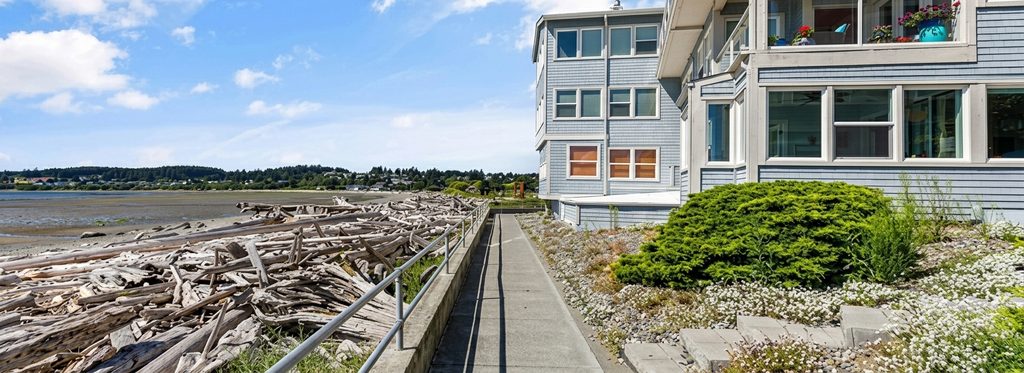
Buying a home on Whidbey Island means looking beyond the purchase price and monthly mortgage payment. Homeowners insurance is another important cost to consider.
Insurance rates and coverage depend on the home’s location, age, condition, construction, and potential risks. For example, a waterfront home may have different insurance needs than a newer home in town or a rural property with acreage.
We’re Jeff and Kara Vallejo, Realtors serving Whidbey Island and Anacortes. While we are not insurance agents, we encourage buyers to speak with a qualified insurance professional early in the home-buying process.
Why Should You Check Insurance Before Buying?
If you are financing your home, your lender will generally require homeowners insurance. However, some properties may need extra review before an insurer offers coverage.
These factors may affect your insurance options or costs:
- Waterfront location or flood exposure
- Roof age and home condition
- Older construction or unique building materials
- Wooded surroundings or distance from fire services
- Rural access and private roads
- Detached buildings, workshops, or barns
- Previous insurance claims
Whenever possible, request an insurance quote early in the buying process. This gives you more time to understand the costs before closing.
What Does Standard Homeowners Insurance Cover?
A typical homeowners policy may cover the main home, personal belongings, liability, and additional living expenses if a covered loss makes the home temporarily unlivable.
However, coverage limits and exclusions vary. Detached garages, sheds, workshops, and special belongings may have separate limits.
It is also important to understand the difference between replacement cost and actual cash value. Replacement cost generally covers the cost of repairing or replacing covered property without subtracting depreciation, subject to policy terms and limits. Actual cash value accounts for depreciation.
Remember, the home’s purchase price is not necessarily the amount needed to rebuild it. Ask your insurance agent how much dwelling coverage is appropriate for the property.
Does Homeowners Insurance Cover Flood or Earthquake Damage?
Usually, standard homeowners insurance does not cover flood damage. Flood insurance is typically purchased separately.
This is especially important if you are considering a waterfront home or a property in a low-lying area. Review flood maps, drainage, elevation, and any known history of flooding. Even properties outside high-risk flood zones may experience flooding.
Earthquake damage is also generally excluded from standard homeowners policies. Separate earthquake coverage may be available, but deductibles and limits can vary.
Before choosing coverage, ask an insurance professional about the cost, deductible, and what the policy would pay for. This can help you decide which protection fits your needs and budget.
What About Waterfront Homes, Bluffs, and Landslides?
Waterfront homes offer beautiful views and access to the coast, but they may come with additional considerations.
Before buying a waterfront or bluff property, ask about:
- Flood risk and shoreline exposure
- Wind-driven rain and storm damage
- Landslides, erosion, and other ground movement
- Docks, bulkheads, and other coastal structures
- Available insurance coverage and exclusions
Standard homeowners policies generally exclude many types of damage caused by earth movement. Special coverage may be available in some cases, but it depends on the policy and insurer.
These risks do not automatically make a property a bad choice. Instead, understanding them before you buy helps you make a more informed decision.
Can Older or Rural Homes Cost More to Insure?
They can, depending on the property.
For older homes, insurers may review the roof, electrical system, plumbing, heating, foundation, and renovation history. A home with outdated systems or a roof nearing the end of its useful life may require additional attention.
Rural properties may also have different insurance needs. On Whidbey Island, some homes have private wells, septic systems, long driveways, multiple buildings, or wooded surroundings.
If the property includes a barn, detached garage, workshop, or guest structure, confirm that each building is covered appropriately. Ask about well equipment, septic systems, pumps, and water or sewer backup coverage as well.
Do not assume every system or structure is fully covered under a standard policy. Your insurance agent can explain which options are available.
What Should You Know About Wildfire and Water Damage?
Fire damage is generally covered by standard homeowners insurance, subject to policy terms. However, wildfire risk can affect insurance availability, premiums, and deductibles.
Insurers may consider nearby vegetation, building materials, property location, and access for emergency services. If you are buying a wooded or rural home, ask whether the property has any special requirements.
Water damage also deserves attention. Some sudden water damage may be covered, while flooding, gradual leaks, poor maintenance, and sewer backups may be excluded or treated differently.
Ask your insurance agent which situations are covered and whether additional water or sewer backup protection is available.
How Can You Compare Home Insurance Policies?
Do not choose a policy based on price alone. A lower premium may come with higher deductibles, lower coverage limits, or more exclusions.
When comparing quotes, review:
- Dwelling and replacement cost coverage
- Personal belongings and liability limits
- Deductibles and exclusions
- Flood and earthquake protection
- Water or sewer backup coverage
- Detached structures and outbuildings
- Temporary living expenses after a covered loss
If you work from home or operate a business on the property, ask whether your equipment, inventory, or business-related liability needs extra coverage.
Also, tell your insurer if the home will be vacant for part of the year or used as a second home. Occupancy can affect policy terms.
Questions to Ask an Insurance Agent Before Buying
Before purchasing a home on Whidbey Island, consider asking:
- Can you insure this specific property?
- What is the estimated annual premium?
- How much is the deductible?
- Is replacement cost coverage available?
- Do I need separate flood or earthquake insurance?
- Are landslides or ground movement covered?
- Are detached buildings, wells, and septic systems covered?
- Are there special requirements based on the roof, location, or condition?
- Will the policy cover temporary housing after a covered loss?
Getting clear answers early can help you understand the potential cost of owning the home.
Frequently Asked Questions
Is homeowners insurance required on Whidbey Island?
If you have a mortgage, your lender will generally require homeowners insurance. Even without a mortgage, coverage can provide important financial protection.
Do waterfront homes cost more to insure?
They can, but it depends on the property’s location, construction, flood exposure, coverage needs, and the insurer. Request a quote for the specific home rather than relying on general estimates.
Is flood insurance required?
It depends on the property and your financing. Certain mortgages require flood insurance for homes in designated high-risk flood areas. Buyers may also choose coverage for properties outside those areas.
Should I get earthquake insurance?
That depends on your finances, risk tolerance, and the coverage available. Ask a licensed insurance professional to explain the premium, deductible, and limits before deciding.
Can insurance costs affect which home I choose?
Yes. Two homes with similar purchase prices may have different insurance costs because of their location, age, construction, or exposure to certain risks. Getting quotes early helps you compare the full cost of ownership.
Choose Your Home With the Whole Picture in Mind
Finding the right home involves more than the view, location, and price. You should also understand the costs and responsibilities that come with owning it.
On Whidbey Island, that may mean asking extra questions about waterfront exposure, flood risk, older construction, rural property features, and detached buildings.
We’re Jeff and Kara Vallejo, Realtors with Real Broker, LLC, proudly serving Whidbey Island and Anacortes. We can help you explore local communities and consider property features as you narrow down your search.
Visit www.jeffandkara.com, call or text 360-632-1601, or follow us on Instagram @jeffandkaravallejo. We’d love to help you find a home that fits your needs and lifestyle.


Add a comment
0 Comments