Whidbey Island & Anacortes Real Estate + Local Living
A Food Lover’s Guide to Whidbey Island
August 27, 2026
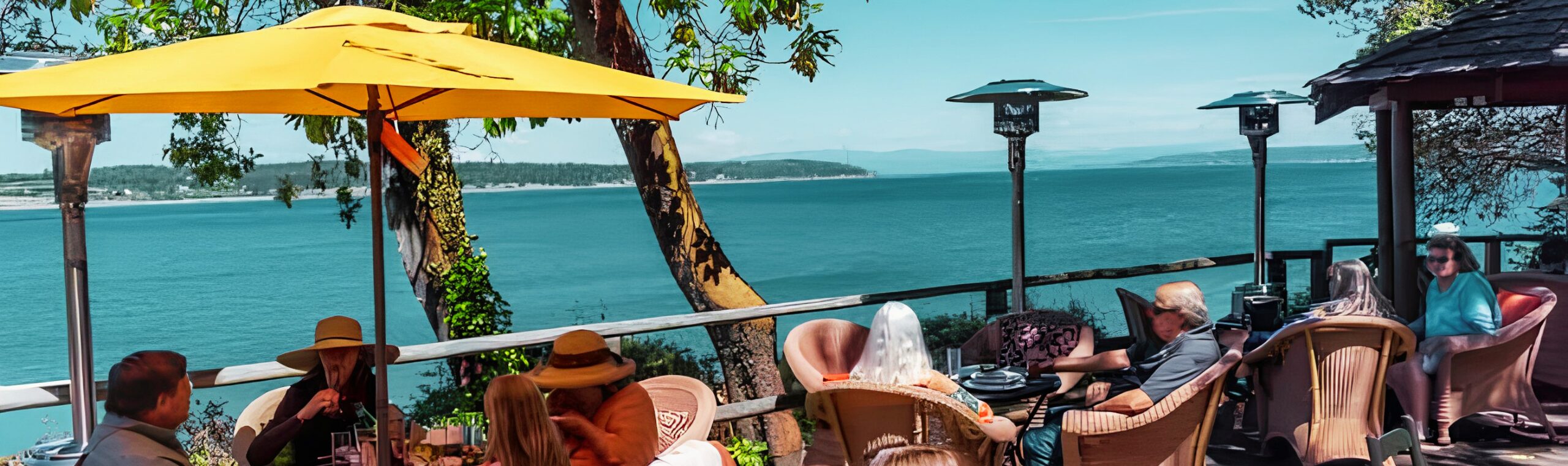
Where are the best places to eat on Whidbey Island?
The best places to eat on Whidbey Island can be found throughout Oak Harbor, Coupeville, Greenbank, Freeland, Langley, Bayview, and Clinton.
The island’s food scene reflects its coastal setting and agricultural heritage, with fresh Penn Cove mussels, Pacific Northwest seafood, waterfront restaurants, farm-driven menus, casual taverns, bakeries, coffee shops, farmers markets, wineries, breweries, cideries, and roadside farm stands.
Coupeville is especially well known for Penn Cove mussels and waterfront dining, while South Whidbey offers a strong mix of cafés, bakeries, creative restaurants, wineries, and craft beverages. Oak Harbor provides the island’s broadest range of everyday dining choices, including locally owned restaurants and international cuisines.
Discover the Flavors of Whidbey Island
One of the most pleasant surprises for people moving to Whidbey Island is the quality and variety of its local food.
Despite the island’s small-town atmosphere, residents can enjoy everything from freshly harvested shellfish and casual fish and chips to artisan pastries, locally roasted coffee, farm-grown produce, handcrafted beer, and Washington wine.
Many of the island’s food businesses are independently owned, giving each community its own dining personality.
We’re Jeff and Kara Vallejo, Realtors serving Whidbey Island and Anacortes, and one of our favorite ways to spend a weekend is trying a new restaurant, visiting a farm stand, or returning to a local favorite.
Whether you’re relocating to the island or planning your first visit, this guide will help you explore some of the food experiences that make Whidbey Island special.
Start With Whidbey Island’s Most Famous Food: Penn Cove Mussels
No Whidbey Island food guide would be complete without Penn Cove mussels.
Cultivated in the sheltered waters beside Coupeville, these mussels are closely connected to the town’s maritime identity. Restaurants throughout historic Coupeville serve them in preparations ranging from classic garlic and wine broths to chowders, curries, pasta dishes, and rotating chef specials.
The downtown Coupeville dining scene prominently features Penn Cove mussels, with many establishments offering them as part of their seafood menus.
You may find mussels prepared with:
- Garlic and white wine
- Cream-based broths
- Coconut curry
- Herbs and seasonal vegetables
- Tomato-based sauces
- Pasta or rice
- Toasted bread for dipping
- Chowder recipes
Availability and preparation can vary with restaurant menus and the season.
Waterfront Dining in Coupeville
Historic Coupeville is one of the best places to begin a Whidbey Island food tour.
Front Street runs beside Penn Cove and includes restaurants, shops, cafés, and views of the historic Coupeville Wharf. Visitors can enjoy a meal and then walk along the waterfront or explore the town’s historic commercial district.
Front Street Grill
Front Street Grill offers waterfront dining with views across Penn Cove toward the Coupeville Wharf and Mount Baker. Its official website currently lists daily service and highlights its seafood-focused Northwest menu.
Depending on the current menu, diners may find:
- Penn Cove mussels
- Seafood entrées
- Burgers
- Salads
- Northwest-inspired dishes
- Wine, beer, and cocktails
Its waterfront setting makes it an appealing option for lunch or dinner, particularly on a clear day.
Toby’s Tavern
Toby’s Tavern is a casual Coupeville institution serving food and beverages along the historic waterfront.
Its menu is known for Penn Cove mussels, seafood, burgers, steaks, and pub-style dishes. The tavern’s official site lists daily dine-in and takeout service, although guests should confirm current hours before visiting.
Toby’s is a tavern environment, so families traveling with children should verify current age and seating policies before arriving.
Planning a Coupeville Food Day
A relaxed Coupeville itinerary might include:
- Coffee or breakfast near downtown
- A walk along Front Street
- Lunch featuring Penn Cove mussels
- A visit to the Coupeville Wharf
- Shopping at independent businesses
- A waterfront dessert or afternoon drink
- A stop at a nearby farm stand
Downtown parking can become limited during festivals, sunny weekends, and peak summer travel periods.
Eating Around Oak Harbor
Oak Harbor is Whidbey Island’s largest population center and provides the widest variety of everyday dining choices.
Because of the community’s size and its connection to Naval Air Station Whidbey Island, residents can find a broader mix of cuisines than they might expect from an island town.
Dining options may include:
- American comfort food
- Mexican cuisine
- Asian restaurants
- Filipino food
- Thai and Vietnamese dishes
- Pizza
- Burgers
- Seafood
- Breakfast diners
- Bakeries
- Coffee shops
- Food trucks
Oak Harbor is often the most convenient area for families looking for casual meals, larger menus, takeout, or options that accommodate different tastes.
Restaurant openings and ownership can change, so checking current menus and operating hours is recommended.
Dining in Langley
Langley combines small-town charm with a creative food scene.
The walkable downtown area includes restaurants, cafés, bakeries, specialty shops, tasting rooms, and places to enjoy drinks near the waterfront.
A visit to Langley might include:
- Breakfast or pastries
- Coffee and bookstore browsing
- A casual lunch
- Farm-inspired dinner
- Craft beer
- Wine tasting
- Ice cream or dessert
- A walk overlooking Saratoga Passage
Langley’s restaurants can be especially busy during summer weekends, festivals, theater performances, and whale-watching season.
Reservations may be helpful when available.
Food Stops in Freeland, Bayview, and Clinton
South Whidbey’s smaller communities also offer worthwhile food experiences.
Freeland serves as an everyday commercial hub with cafés, casual restaurants, groceries, and places to stop while exploring nearby beaches.
Bayview is closely connected to South Whidbey’s agricultural and community culture and is known for local markets, food businesses, and events.
Clinton is the first Whidbey Island community reached from the Mukilteo ferry and includes restaurants, farms, wineries, and beverage producers.
These areas are convenient for:
- Ferry-day meals
- Coffee stops
- Casual lunches
- Farm shopping
- Takeout
- Wine or cider tasting
- Picnics before visiting the beach
Farm-to-Table Dining on Whidbey Island
Agriculture remains an important part of Whidbey Island’s identity.
Local farms produce vegetables, berries, flowers, herbs, eggs, meat, dairy products, and specialty foods. Some restaurants incorporate island-grown or regionally produced ingredients into seasonal menus.
Depending on the season, local dishes may feature:
- Leafy greens
- Root vegetables
- Tomatoes
- Squash
- Berries
- Apples
- Fresh herbs
- Eggs
- Artisan cheese
- Locally raised meat
- Preserves
- Honey
“Farm-to-table” can mean different things from one restaurant to another. Diners who want to know where ingredients come from can ask about current sourcing or look for farms identified on the menu.
Visit Whidbey Island Farm Stands
Roadside farm stands are one of the easiest ways to experience the island’s agricultural culture.
Some are staffed shops, while others operate on an honor system. Product selection changes throughout the growing season.
You may find:
- Seasonal vegetables
- Eggs
- Flowers
- Berries
- Apples
- Herbs
- Honey
- Jam
- Meat
- Baked goods
- Plant starts
- Pumpkins and squash
Carry small bills when visiting honor-system stands, although some now accept electronic payments.
Respect posted hours, parking instructions, private property, and payment policies.
Whidbey Island Farmers Markets
Farmers markets bring together growers, bakers, makers, food vendors, and community organizations.
Schedules vary by year and season, so shoppers should verify current dates before making plans.
Oak Harbor Farmers Market
The Oak Harbor Farmers Market is operating during the 2026 season at Rotary Park. The current published schedule runs Thursdays from May 7 through September 10, from 4:00 to 7:00 p.m.
Market offerings may include:
- Fresh produce
- Prepared food
- Handmade products
- Baked goods
- Flowers
- Live music
- Community activities
An older Oak Harbor market organization previously announced that it had permanently closed, but a new market is operating under North Central Whidbey Farmers Markets. Readers should use the current organization’s schedule rather than outdated listings.
Coupeville Farmers Market
The 2026 local farmers-market guide lists the Coupeville market beside the library on Saturdays from April 18 through October 10, from 10:00 a.m. to 2:00 p.m.
Visitors may find:
- Seasonal produce
- Baked goods
- Local food products
- Flowers
- Crafts
- Prepared meals
- Farm-direct ingredients
The location makes it easy to combine the market with lunch and waterfront shopping.
South Whidbey Markets
South Whidbey has a long tradition of farmers markets and farm-centered gatherings, but names, locations, and schedules may change.
Before planning a visit, check current community calendars and market pages for:
- Bayview-area markets
- Langley pop-up markets
- Holiday markets
- Farm sales
- Seasonal food events
This is particularly important outside the main summer season.
Coffee Shops and Community Gathering Places
Coffee shops play an important role in Whidbey Island community life.
They are places where residents work remotely, meet friends, read, plan hikes, or wait for a ferry.
Across the island, visitors can find:
- Espresso
- Drip coffee
- Locally roasted beans
- Tea
- Breakfast sandwiches
- Pastries
- Outdoor seating
- Books and gifts
- Community noticeboards
Some businesses roast coffee locally, while others serve beans produced elsewhere in the Pacific Northwest.
Hours may be shorter than those of mainland coffee chains, especially during winter.
Tips for Visiting Whidbey Coffee Shops
To make your visit easier:
- Check closing times before arriving.
- Do not assume every café stays open into the evening.
- Ask before settling in for a long remote-work session.
- Use headphones during calls.
- Support the business by ordering periodically.
- Be aware that Wi-Fi and seating may be limited.
- Expect busier mornings during summer and weekends.
Independent island cafés often change their hours seasonally.
Bakeries and Fresh Pastries
Whidbey Island’s bakeries and cafés offer breads, pies, pastries, cookies, cakes, and other handmade treats.
Depending on the business, you may find:
- Sourdough bread
- Croissants
- Cinnamon rolls
- Fruit pies
- Cookies
- Muffins
- Savory pastries
- Seasonal berry desserts
- Gluten-free selections
- Celebration cakes
Popular items may sell out before closing, so morning visits are often best.
Because island bakeries occasionally change ownership, location, or production schedules, verify current details before driving a long distance for one specific item.
Greenbank Farm and Whidbey Pies
Greenbank Farm is a central island destination with walking trails, agricultural land, local businesses, and community uses.
The historic farm remains an important gathering place between North and South Whidbey.
It has long been associated with Whidbey Pies and locally inspired fruit desserts. Business hours and food-service availability should be confirmed before visiting, especially during the quieter season.
A stop at Greenbank Farm can be combined with:
- Pie or dessert
- A walk around the farm
- Shopping
- Art viewing
- A picnic
- A trip between Coupeville and South Whidbey
Seafood Beyond Penn Cove Mussels
Penn Cove mussels may be the island’s signature food, but they are not the only seafood worth trying.
Restaurant menus may feature:
- Pacific salmon
- Halibut
- Lingcod
- Rockfish
- Dungeness crab
- Oysters
- Clams
- Prawns
- Fish and chips
- Seafood chowder
Availability can depend on season, sourcing, fishing regulations, and market supply.
“Fresh” does not always mean the seafood was harvested directly beside Whidbey Island, so ask the restaurant when origin matters to you.
Eating Seafood Responsibly
Washington seafood is regulated, and recreational shellfish harvesting requires close attention to health advisories, seasons, licenses, and beach closures.
Never collect shellfish simply because you see it on a public beach.
Before harvesting, check:
- Whether the beach is legally open
- Current health advisories
- Biotoxin closures
- Harvest seasons
- Licensing rules
- Species limits
- Property boundaries
Restaurant dining or purchasing from licensed producers is the simplest choice for most visitors.
Craft Beer on Whidbey Island
Whidbey Island has several places where residents can enjoy locally brewed beer or regional beverages in a casual setting.
Double Bluff Brewing Company
Double Bluff Brewing Company operates in Langley and offers beer in several serving sizes, along with additional beverages such as cider, wine, nonalcoholic beer, and soft drinks.
Its official site identifies the taproom as family- and dog-friendly and notes that guests may bring food, subject to current policies.
It can be a convenient stop after:
- Exploring downtown Langley
- Visiting nearby shops
- Walking along the waterfront
- Attending a local performance
- Spending the day on South Whidbey
Check the brewery’s current calendar for food vendors, music, and special events.
Penn Cove Brewing Company
Penn Cove Brewing Company has been part of Whidbey Island’s craft-beverage scene, with operations associated with communities such as Coupeville, Oak Harbor, and Freeland.
Because taproom locations, food service, and hours can change, consult the brewery’s current channels before choosing a destination.
Whidbey Island Wineries
The island’s climate, rural landscape, and visitor culture support a collection of wineries and tasting rooms.
Potential experiences include:
- Estate-grown wines
- Wines made with grapes from elsewhere in Washington or Oregon
- Indoor tasting rooms
- Outdoor farm seating
- Vineyard walks
- Live music
- Food pairings
- Seasonal events
Spoiled Dog Winery and Driftwood Cider
Spoiled Dog Winery is part of South Whidbey’s beverage scene and shares a farm-based tasting destination with Driftwood Cider.
The regional tourism organization reports that Driftwood Cider uses fruit from an established orchard on the property and shares its tasting room with the winery.
Before visiting, confirm:
- Tasting hours
- Reservation policies
- Food availability
- Dog policies
- Whether children are permitted
- Event schedules
Comforts of Whidbey
Comforts of Whidbey is another winery associated with the South Whidbey area.
Visitors should review its current tasting schedule and event calendar, as wineries may operate limited hours or host private events.
Wine, Beer, Cider, and Driving
Whidbey Island’s roads can be rural, winding, dark, and unfamiliar to visitors.
Plan beverage outings responsibly by:
- Choosing a designated driver
- Limiting the number of tasting stops
- Eating before or during tastings
- Checking transportation options
- Avoiding remote drives after drinking
- Confirming ferry plans before the tasting begins
Rideshare availability may be inconsistent, particularly outside Oak Harbor and during late hours.
Sweet Treats and Seasonal Desserts
Whidbey Island’s agricultural setting makes seasonal fruit desserts especially appealing.
Depending on the time of year, cafés, bakeries, markets, and restaurants may offer:
- Strawberry desserts
- Raspberry pastries
- Blackberry pies
- Blueberry muffins
- Apple pies
- Loganberry products
- Pumpkin baked goods
- Handmade chocolates
- Ice cream
- Holiday cookies
Berry season is one of the best times to explore farm stands and rotating bakery menus.
Food Trucks and Pop-Up Dining
Food trucks and pop-up vendors often appear at:
- Breweries
- Farmers markets
- Festivals
- Community events
- Wineries
- Outdoor concerts
- Seasonal gathering places
They may serve:
- Tacos
- Burgers
- Barbecue
- Pizza
- Seafood
- Asian-inspired dishes
- Desserts
- Vegetarian meals
Schedules can change because of weather, private events, and staffing, so check the host venue’s social media before traveling.
Food Festivals and Seasonal Events
Whidbey Island celebrates food through markets, tastings, farm events, and festivals.
Penn Cove Musselfest
Penn Cove Musselfest is the island’s best-known food celebration.
Held in Coupeville, it commonly features mussel dishes, chowder tasting, chef demonstrations, waterfront activities, and education about the local shellfish industry.
The 2026 festival marked its 40th anniversary and was held March 6–8. Future dates and ticketing details should be confirmed with the organizers.
Harvest and Farm Events
Autumn may bring:
- Pumpkin patches
- Farm dinners
- Cider events
- Harvest markets
- Winery gatherings
- Seasonal menus
- Holiday food markets
Offerings change from year to year, so follow individual farms and community organizations for announcements.
How to Plan a Whidbey Island Food Day
Whidbey Island is long, and driving from Clinton to Deception Pass can take considerably more time than visitors expect.
Rather than attempting to eat across the entire island in one day, choose one region.
North Whidbey Food Day
A North Whidbey itinerary might include:
- Breakfast or coffee in Oak Harbor
- Shopping at the seasonal farmers market
- Lunch at a locally owned restaurant
- A walk at Windjammer Park
- Dinner before visiting Deception Pass
Oak Harbor offers the most flexibility for families and groups with different preferences.
Central Whidbey Food Day
A Coupeville and Greenbank itinerary might include:
- Coffee in Coupeville
- Shopping at the farmers market
- Penn Cove mussels for lunch
- A walk along the wharf
- A stop at Greenbank Farm
- Pie or a local beverage
- Dinner along the route home
This is one of the strongest itineraries for visitors interested in local seafood and historic surroundings.
South Whidbey Food Day
A South Whidbey itinerary might include:
- Breakfast or pastries around Bayview
- Shopping at a farm stand
- Lunch in Langley
- Downtown browsing
- A winery, cidery, or brewery stop
- Dinner in Langley, Freeland, or Clinton
- Sunset at a nearby beach
Ferry traffic should be considered when traveling through Clinton.
Dietary Needs and Family Dining
The island has options for many dietary preferences, but availability can vary.
Depending on the restaurant, diners may find:
- Vegetarian dishes
- Vegan selections
- Gluten-free options
- Dairy-free choices
- Children’s menus
- Seafood-free meals
People with severe allergies should speak directly with restaurant staff about ingredients and kitchen practices.
Smaller kitchens may have limited ability to prevent cross-contact.
Make Reservations When Possible
Whidbey Island restaurants often have smaller dining rooms than restaurants in larger cities.
During summer, holiday weekends, and major events:
- Tables may fill early.
- Wait times may increase.
- Restaurants may stop seating before the listed closing time.
- Popular dishes may sell out.
- Staffing shortages may affect service.
- Some businesses may operate only on selected days.
Make reservations where accepted and have a second option in mind.
Check Hours Before Driving
Restaurant schedules can change frequently on Whidbey Island.
A business may:
- Close one or two days each week
- Reduce winter hours
- Close between lunch and dinner
- Stop serving food before the taproom closes
- Take a seasonal break
- Close for private events
- Sell out early
Checking the restaurant’s official website or recent social-media updates on the day of your visit can prevent disappointment.
Why Food Feels Different on Whidbey Island
Whidbey Island’s food culture is closely connected to place.
The surrounding water supports shellfish and seafood traditions. Rural land supports farms, orchards, vineyards, gardens, and roadside stands. Historic towns give independent restaurants and cafés settings that feel personal rather than generic.
That connection creates experiences such as:
- Eating mussels while overlooking the water where they were cultivated
- Buying vegetables directly from the farmer who grew them
- Drinking cider made with island fruit
- Sharing a meal inside a historic waterfront building
- Picking up pie during a scenic drive
- Meeting neighbors at a weekly market
For many residents, these experiences become part of their everyday routines rather than activities reserved for vacation.
Frequently Asked Questions
What food is Whidbey Island known for?
Whidbey Island is best known for Penn Cove mussels, Pacific Northwest seafood, locally grown produce, handmade baked goods, farm stands, wineries, breweries, and seasonal farmers markets.
Penn Cove mussels are particularly associated with Coupeville and appear on many downtown menus.
Where can I find seafood on Whidbey Island?
Coupeville is one of the island’s strongest seafood destinations because of its waterfront restaurants and connection to Penn Cove mussels.
Seafood can also be found in Oak Harbor, Langley, Freeland, and other island communities, depending on current menus.
Where should I eat Penn Cove mussels?
Front Street Grill and Toby’s Tavern are two currently verified Coupeville businesses known for serving Penn Cove mussels. Menus and availability may change, so confirm before visiting.
Are there farmers markets on Whidbey Island?
Yes.
For 2026, the Oak Harbor Farmers Market is scheduled at Rotary Park on Thursdays from May 7 through September 10. The Coupeville market is listed on Saturdays from April 18 through October 10.
Market dates and locations should be reconfirmed each season.
Does Whidbey Island have wineries and breweries?
Yes.
The island has wineries, breweries, and cider producers, including Double Bluff Brewing Company, Spoiled Dog Winery, and Driftwood Cider. Tasting schedules and visitor policies vary.
Is Whidbey Island good for vegetarian or gluten-free diners?
Many restaurants offer vegetarian, vegan, or gluten-free selections, but availability varies by business and season.
Review current menus and contact the restaurant directly when dietary restrictions or allergies are significant.
Do Whidbey Island restaurants require reservations?
Some accept reservations, while others operate on a first-come, first-served basis.
For example, Front Street Grill’s website notes periods when it does not accept reservations. Policies can change, so always review the latest information.
Ready to Taste Life on Whidbey Island?
Exploring the best places to eat on Whidbey Island is one of the most enjoyable ways to get to know its communities.
From Penn Cove mussels beside the Coupeville waterfront to farm stands, seasonal markets, neighborhood cafés, bakeries, wineries, and breweries, the island offers food experiences that reflect its coastal setting and independent spirit.
We’re Jeff and Kara Vallejo, Realtors with Real Broker, LLC, proudly serving Whidbey Island and Anacortes. If you’re considering making Whidbey Island your home, we would love to help you find a community where local food, beautiful scenery, and small-town living come together.
Visit us at www.jeffandkara.com, call or text 360-632-1601, or follow us on Instagram @jeffandkaravallejo.


Add a comment
0 Comments