Whidbey Island & Anacortes Real Estate + Local Living
Whidbey Island Weather by Season: What New Residents Should Know
August 20, 2026
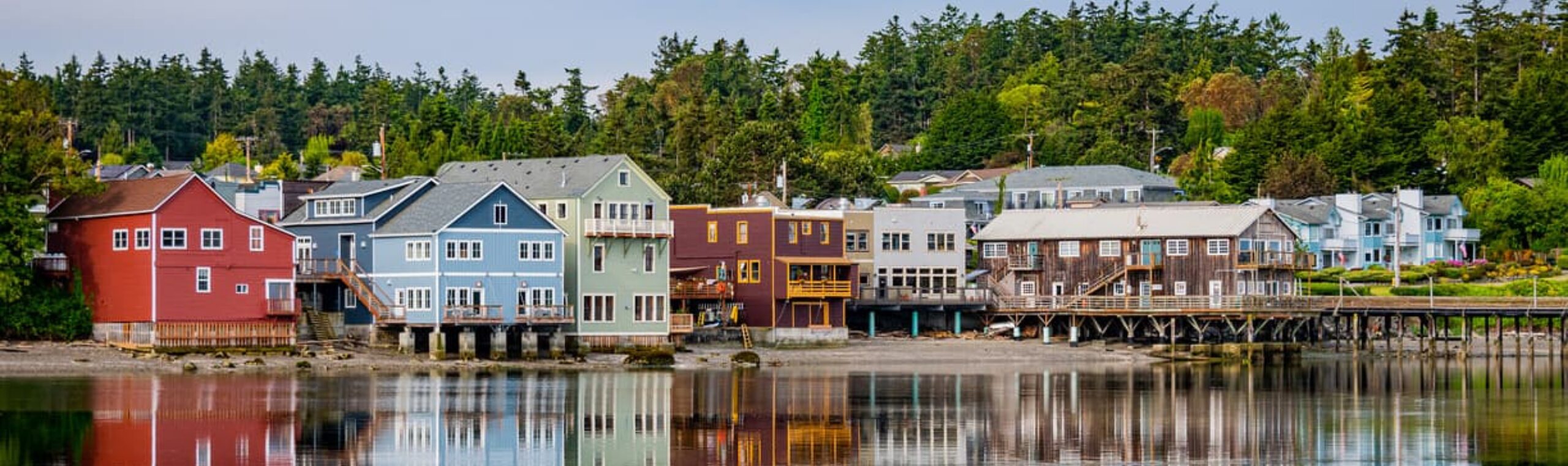
What is the weather like on Whidbey Island throughout the year?
Whidbey Island weather by season is generally mild, with cool winters, comfortable summers, and changing coastal conditions throughout the year. Much of the island is influenced by the Olympic Rain Shadow, which can result in less rainfall than some nearby parts of western Washington.
New residents can expect four distinct seasons, frequent coastal breezes, long summer days, occasional winter storms, and plenty of opportunities to enjoy beaches, trails, boating, and parks year-round.
What to Expect From Whidbey Island Weather
If you’re considering moving to Whidbey Island, one of your first questions may be:
“What is the weather really like?”
Many people assume western Washington is constantly rainy and gray. While Whidbey Island certainly experiences its share of clouds and wet weather, particularly during fall and winter, the island’s climate is often milder and drier than newcomers expect.
The Olympic Mountains influence weather patterns across the region, creating a rain-shadow effect over parts of Whidbey Island. Conditions still vary from North Whidbey to South Whidbey and even from one neighborhood to another, but residents generally enjoy comfortable summers and relatively mild winters.
We’re Jeff and Kara Vallejo, Realtors serving Whidbey Island and Anacortes, and weather is one of the topics we regularly discuss with buyers relocating to the area.
Here’s what new residents should know about Whidbey Island weather by season.
Spring on Whidbey Island: March Through May
Spring is one of the most beautiful times of year on Whidbey Island.
As winter fades, gardens begin blooming, trees turn green, and daylight hours gradually increase. The season often brings a mix of sunshine, clouds, wind, and passing rain showers.
Typical spring conditions may include:
- Mild daytime temperatures
- Cool mornings and evenings
- Occasional rain showers
- Breezy coastal weather
- Blooming gardens
- Fresh green landscapes
- Rapidly changing conditions
Spring is an excellent time to explore local parks and trails before the busiest part of the summer visitor season.
Popular spring activities include:
- Hiking at Ebey’s Landing
- Walking local beaches
- Visiting farms and gardens
- Watching for migrating whales
- Exploring state parks
- Gardening
- Birdwatching
Spring weather can shift quickly, so dressing in layers and carrying a lightweight rain jacket is usually a good idea.
Summer on Whidbey Island: June Through August
Summer is Whidbey Island’s busiest and most popular season.
Long daylight hours, lower rainfall, comfortable afternoons, and cooler evenings create excellent conditions for spending time outdoors.
Typical summer weather includes:
- Mild to warm daytime temperatures
- Cool coastal mornings
- Comfortable evenings
- Low to moderate humidity
- Long periods of daylight
- Relatively dry conditions
- Occasional heat waves
Residents spend summer enjoying:
- Beaches
- Boating
- Kayaking
- Paddleboarding
- Farmers markets
- Outdoor concerts
- Community festivals
- Hiking
- State parks
- Waterfront dining
Whidbey Island summers are often more comfortable than inland locations because surrounding water and coastal breezes can moderate temperatures.
However, warmer stretches do occur, and not every island home has air conditioning. Buyers who are sensitive to heat may want to ask about cooling systems, shade, airflow, and sun exposure when touring homes.
Fall on Whidbey Island: September Through November
Many local residents consider fall one of the best times of year on Whidbey Island.
Early fall may continue to offer mild, dry days, while later fall brings cooler temperatures, stronger winds, shorter daylight hours, and more frequent rain.
Fall conditions often include:
- Crisp mornings
- Mild early-season afternoons
- Colorful foliage
- Increasing rainfall
- Breezy coastal conditions
- Fewer visitors
- Shorter days
Fall is a wonderful time to enjoy:
- Scenic drives
- Hiking
- Local farms
- Harvest events
- Pumpkin patches
- Photography
- Quiet beaches
- Coastal trails
- Local wineries and tasting rooms
The island becomes noticeably quieter after the busiest summer months, making fall especially appealing to residents who enjoy peaceful outdoor recreation.
Winter on Whidbey Island: December Through February
Winter on Whidbey Island is generally milder than winters in many northern and inland parts of the country.
Temperatures frequently remain above freezing during the day, but cold snaps, frost, ice, and occasional snow are still possible.
Winter weather may include:
- Cool daytime temperatures
- Cold mornings and evenings
- Frequent clouds
- Rainy periods
- Strong coastal winds
- Occasional frost
- Short daylight hours
- Periodic snow or ice
- Dramatic storm systems
Winter is a popular season for:
- Storm watching
- Quiet beach walks
- Visiting local coffee shops
- Wildlife viewing
- Beachcombing
- Photography
- Exploring less-crowded parks
Coastal storms can bring strong winds and power outages, particularly in wooded or exposed areas. New homeowners may want to keep flashlights, batteries, drinking water, blankets, and backup charging options available during the winter.
How the Olympic Rain Shadow Affects Whidbey Island Weather
One of the most notable features of Whidbey Island weather is the influence of the Olympic Rain Shadow.
As Pacific weather systems move inland, the Olympic Mountains force moist air upward. Much of that moisture falls on the western side of the mountains, leaving some communities northeast of the Olympics comparatively drier.
For Whidbey Island residents, this can mean:
- Lower rainfall than wetter parts of western Washington
- More breaks in the clouds
- Comfortable summer conditions
- Favorable outdoor recreation weather
- Differences in rainfall across the island
The rain-shadow effect is not identical everywhere.
Central and northern parts of Whidbey Island may experience different conditions than southern or more exposed coastal locations. Wind, elevation, shoreline orientation, and surrounding terrain can all affect a particular property.
Whidbey Island Weather Can Vary by Location
Whidbey Island is long and narrow, and weather can vary depending on where you are.
A sunny afternoon in Coupeville may feel different from conditions near Clinton or Deception Pass.
Local differences may be influenced by:
- Proximity to open water
- Elevation
- Tree cover
- Bluff exposure
- Wind direction
- Neighborhood orientation
- Distance from the Olympic Mountains
- Nearby bays and inlets
Waterfront homes may experience stronger winds and salt exposure, while wooded inland properties may feel calmer but receive less direct sunlight.
When touring homes, pay attention to the property’s exposure, drainage, tree cover, and natural light—not just the general island forecast.
Dressing for Whidbey Island Weather
One of the most useful pieces of advice from longtime residents is simple:
Dress in layers.
A typical day may begin with a cool morning, become sunny and warm by afternoon, and turn breezy near the water in the evening.
It helps to keep the following nearby:
- A lightweight rain jacket
- A warm sweater or fleece
- Comfortable waterproof shoes
- Sunglasses
- A hat
- Sunscreen
- A reusable water bottle
- An extra layer for coastal wind
Even on sunny days, beaches and waterfront parks can feel cooler than inland neighborhoods.
Does It Rain Every Day on Whidbey Island?
No.
Whidbey Island does not experience constant rain throughout the year.
Fall and winter tend to bring more frequent rain and cloud cover, while late spring and summer are generally drier. Some rainy days involve steady precipitation, but others consist of brief showers followed by dry periods or sunshine.
New residents often become accustomed to continuing with outdoor plans in light rain rather than waiting for a perfectly clear day.
A waterproof jacket and appropriate shoes can make most weather manageable.
Does It Snow on Whidbey Island?
Yes, but significant snowfall is not an everyday winter occurrence.
Some winters bring little snow, while others include short periods of accumulation, freezing temperatures, and icy roads.
Snowfall can vary considerably across the island depending on elevation and the path of a weather system.
When snow or ice occurs, residents should be aware that:
- Hilly roads may become difficult to navigate.
- Rural roads may not be cleared immediately.
- Ferry and transportation schedules may be affected.
- Schools and businesses may adjust their hours.
- Shaded areas may remain icy longer.
- Bridges and exposed roads can freeze quickly.
Even light snow can temporarily affect travel because the island’s roads, hills, and limited alternate routes create different challenges than those found in flatter areas.
Wind Is an Important Part of Island Weather
Wind is one of the weather factors that can surprise new Whidbey Island homeowners.
Coastal storms and exposed shoreline locations may experience strong gusts, especially during fall and winter.
Wind can affect:
- Ferry service
- Power lines
- Trees and branches
- Outdoor furniture
- Fences
- Roofs
- Waterfront structures
- Travel conditions
When buying a home, it is worth asking about past power outages, tree maintenance, roof condition, generator connections, and exposure to prevailing winds.
Homes surrounded by mature trees may feel protected, but those trees also require regular maintenance and inspection.
Power Outages Can Happen During Storm Season
Power outages are part of life in many wooded and coastal parts of the Pacific Northwest.
On Whidbey Island, windstorms may bring down trees or branches and interrupt electrical service.
Homeowners may want to prepare with:
- Flashlights
- Portable battery packs
- Extra drinking water
- Nonperishable food
- Blankets
- A battery-powered radio
- Backup heat plans
- A generator, when appropriate
- Surge protection for electronics
Buyers working remotely should also think about backup internet access and portable power for laptops and phones.
How Weather Affects Whidbey Island Homes
The island’s coastal environment can influence home maintenance.
Depending on the property, homeowners may need to monitor:
- Roof condition
- Gutters and drainage
- Moss growth
- Crawlspace moisture
- Exterior paint
- Decks and railings
- Tree limbs
- Septic drainage areas
- Bluff erosion
- Salt exposure
- Windows and exterior seals
Regular maintenance is especially important for waterfront, bluff, wooded, or older properties.
A home inspection can help identify weather-related maintenance needs before you buy.
Outdoor Activities Throughout the Year
One of the best things about Whidbey Island weather is that outdoor recreation is possible in every season.
Spring Activities
Spring is a good time for:
- Hiking
- Whale watching
- Gardening
- Beach walks
- Birdwatching
- Visiting local farms
Summer Activities
Summer is ideal for:
- Boating
- Kayaking
- Paddleboarding
- Swimming
- Farmers markets
- Festivals
- Camping
- Waterfront picnics
Fall Activities
Fall offers:
- Scenic drives
- Hiking
- Photography
- Harvest events
- Quiet beach visits
- Wildlife watching
Winter Activities
Winter residents enjoy:
- Storm watching
- Beachcombing
- Birdwatching
- Quiet state parks
- Cozy cafés
- Dramatic coastal photography
With the right clothing and preparation, residents can enjoy the island almost every week of the year.
What Is the Best Season to Visit Before Moving?
Whenever possible, visit Whidbey Island during more than one season before buying.
A summer visit may show you the island at its warmest and busiest, while a winter visit gives you a better understanding of wind, rain, shorter days, and everyday travel conditions.
Consider visiting during:
- Summer to experience peak recreation and visitor activity
- Fall to see changing weather and quieter communities
- Winter to understand storm conditions and daylight
- Spring to experience blooming landscapes and variable weather
Seeing a neighborhood in different conditions can help you make a more informed decision.
Frequently Asked Questions
Does Whidbey Island get a lot of rain?
Whidbey Island receives regular rainfall, particularly during fall and winter, but some parts of the island are drier than many nearby western Washington communities because of the Olympic Rain Shadow.
Rainfall varies by location, season, and year.
What is the best season to move to Whidbey Island?
Spring and summer are popular moving seasons because of longer daylight hours and generally more favorable weather.
However, fall and winter moves may offer less competition for moving services and provide a more realistic picture of year-round island conditions.
The best season depends on your schedule, housing plans, and tolerance for weather-related travel.
Is Whidbey Island warmer than Seattle?
Temperatures are often similar, although Whidbey Island’s coastal exposure can make it feel cooler or breezier.
Summer temperatures are generally comfortable, while winter conditions may feel colder near the water because of wind and moisture.
Does Whidbey Island experience extreme heat?
Extreme heat is less common than in many inland locations, but heat waves can still occur.
Because some homes were built without central air conditioning, buyers may want to evaluate ventilation, window placement, shade, and available cooling options.
Are winters difficult on Whidbey Island?
Winters are generally mild, but residents should be prepared for wind, rain, shorter days, occasional snow, icy roads, and possible power outages.
Preparation and flexible travel plans make winter conditions easier to manage.
Ready to Experience Whidbey Island Year-Round?
Understanding Whidbey Island weather by season can help you choose the right community, prepare your home, and feel more confident about island living.
From sunny summer afternoons and colorful fall hikes to peaceful winter beaches and blooming spring gardens, every season offers something different.
We’re Jeff and Kara Vallejo, Realtors with Real Broker, LLC, proudly serving Whidbey Island and Anacortes. Whether you’re planning a move in spring, summer, fall, or winter, we’d love to help you find a home that fits your lifestyle throughout the year.
Visit us at www.jeffandkara.com, call or text 360-632-1601, or follow us on Instagram @jeffandkaravallejo.


Add a comment
0 Comments