Whidbey Island & Anacortes Real Estate + Local Living
Whidbey Island Ferry & Commuting Guide for Residents
August 3, 2026
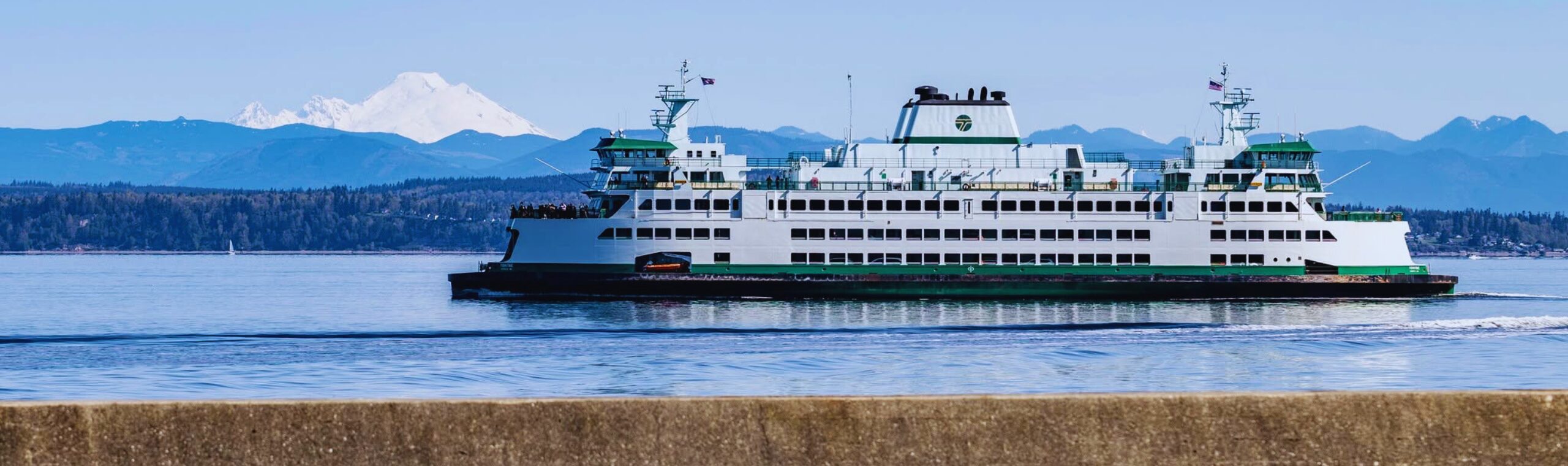
How do you get on and off Whidbey Island?
Getting to and from Whidbey Island is easier than many people expect. The island connects to the mainland through three primary routes: the Clinton–Mukilteo Ferry in the south, the Coupeville–Port Townsend Ferry in central Whidbey, and the Deception Pass Bridge in the north, which provides direct highway access to Anacortes and Interstate 5.
The First Question Every Future Island Resident Asks
One of the first questions buyers ask us is simple:
“How difficult is it to get on and off Whidbey Island?”
It’s an important question because your daily commute, airport trips, and weekend travel all depend on where you choose to live.
We’re Jeff and Kara Vallejo, Realtors serving Whidbey Island and Anacortes, and helping buyers understand local travel patterns is an important part of choosing the right community.
Here’s what everyday commuting actually looks like.
Clinton–Mukilteo Ferry
For many South Whidbey residents, the Clinton–Mukilteo Ferry is part of everyday life.
The crossing takes approximately 20 minutes, with frequent daily sailings throughout the week.
This route provides convenient access to:
- Mukilteo
- Everett
- Lynnwood
- Paine Field
- North Seattle
Unlike some Washington State Ferries routes, vehicle traffic operates on a first-come, first-served basis without reservations.
Many regular commuters quickly learn which sailings are busiest and plan their schedules accordingly.
Best For
The Clinton ferry is ideal for residents living in:
- Clinton
- Langley
- Freeland
- Other South Whidbey communities
especially those who commute to the mainland several days each week.
Coupeville–Port Townsend Ferry
The Coupeville–Port Townsend Ferry connects central Whidbey Island with the Olympic Peninsula.
Unlike the Clinton route, this ferry allows vehicle reservations, making travel more predictable during busy seasons.
Residents often use this route for:
- Weekend trips
- Exploring Olympic National Park
- Visiting Port Townsend
- Scenic drives around the peninsula
Although it’s not commonly used as a daily commuter route, it provides excellent regional access for central Whidbey residents.
Best For
This route works especially well for homeowners living near:
- Coupeville
- Greenbank
- Central Whidbey Island
Deception Pass Bridge
One of North Whidbey’s biggest advantages is that no ferry is required.
The iconic Deception Pass Bridge connects Whidbey Island directly to Fidalgo Island and Highway 20.
From there, drivers can easily reach:
- Anacortes
- Burlington
- Mount Vernon
- Interstate 5
For many Oak Harbor residents and NAS Whidbey Island families, this direct road connection makes commuting especially convenient.
While driving to Seattle takes longer than traveling via the Clinton ferry, the bridge eliminates ferry schedules entirely.
Best For
The bridge is an excellent option for residents living in:
- Oak Harbor
- North Whidbey Island
and for commuters traveling toward Skagit County or Bellingham.
Choosing the Right Location Based on Your Commute
Different parts of Whidbey Island fit different lifestyles.
Commuting to Everett or Paine Field
Consider living near:
- Clinton
- Langley
- Freeland
to take advantage of the Clinton–Mukilteo Ferry.
Working at NAS Whidbey Island
North Whidbey communities such as:
- Oak Harbor
- Coupeville
offer shorter daily drives.
Frequent Seattle Trips
Many South Whidbey residents prefer ferry access because it provides a relatively direct route toward Seattle.
Avoiding Ferry Schedules
North Whidbey’s Deception Pass Bridge offers unrestricted highway access 24 hours a day.
Traveling to the Olympic Peninsula
Central Whidbey residents enjoy convenient access to the Coupeville–Port Townsend Ferry.
Choosing your home based on your travel habits often makes daily life significantly easier.
Frequently Asked Questions
Do I need reservations for Whidbey Island ferries?
The Coupeville–Port Townsend Ferry accepts vehicle reservations.
The Clinton–Mukilteo Ferry operates on a first-come, first-served basis for vehicles, while walk-on passengers generally experience minimal delays.
Can I drive to Whidbey Island without taking a ferry?
Yes.
The Deception Pass Bridge connects North Whidbey Island directly to Fidalgo Island and Highway 20, allowing drivers to reach the mainland without using a ferry.
How long does it take to get from Whidbey Island to Seattle?
Travel times vary by location.
From South Whidbey, the trip typically includes:
- Approximately 20 minutes on the Clinton ferry
- Around 30 to 45 minutes of driving after reaching Mukilteo
From Oak Harbor, driving via Deception Pass generally takes about two hours, depending on traffic conditions.
Find the Right Home—and the Right Commute
Where you choose to live on Whidbey Island affects far more than your home’s address—it shapes your everyday routine.
We’re Jeff and Kara Vallejo, Realtors with Real Broker, LLC, proudly serving Whidbey Island and Anacortes. We’ll help you compare neighborhoods based not only on homes, but also on the commuting patterns that best fit your lifestyle.
Visit us at www.jeffandkara.com, call or text 360-632-1601, or follow us on Instagram @jeffandkaravallejo.


Add a comment
0 Comments