Whidbey Island & Anacortes Real Estate + Local Living
The Ferry Factor: How Whidbey Island’s Ferry System Shapes Daily Life and Home Values
July 10, 2026
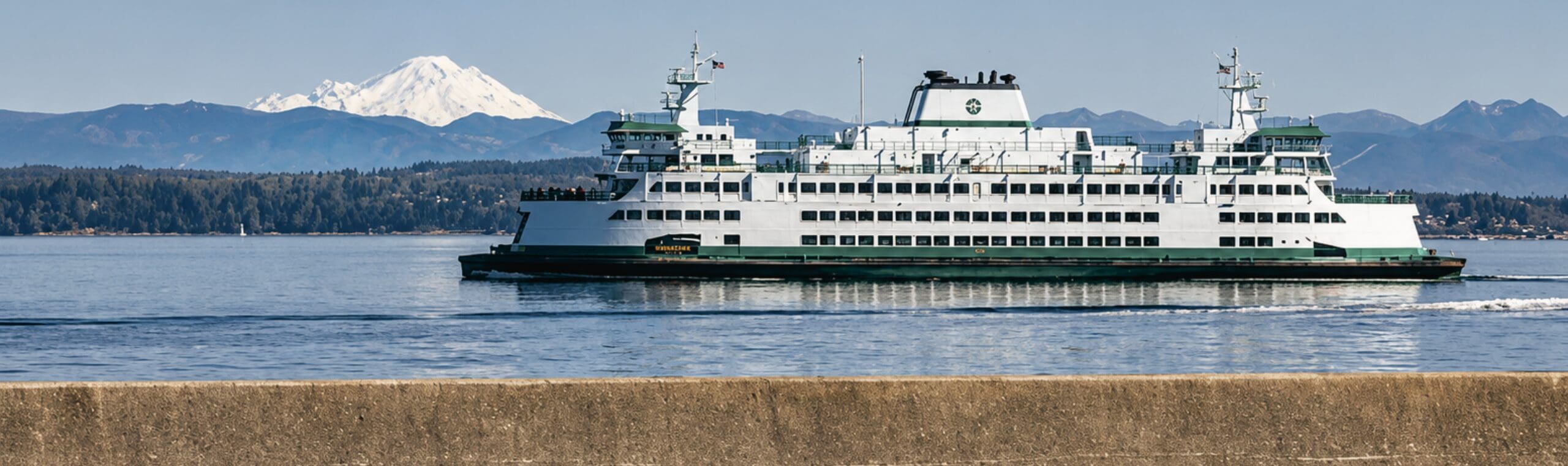
How Does the Whidbey Island Ferry Affect Daily Life and Real Estate?
The Whidbey Island ferry is much more than a transportation system. For many residents, it directly influences home values, commuting patterns, and daily routines. Whether you’re considering North, Central, or South Whidbey, understanding how the ferry system works can help you make a more informed real estate decision.
If you’ve been researching a move to Whidbey Island, you’ve probably noticed homes advertised as being “minutes from the ferry.” That’s because ferry access plays a significant role in both lifestyle and property values throughout the island.
We regularly speak with buyers who underestimate the ferry’s impact until they’ve experienced it firsthand. Understanding the realities of ferry travel before you buy can help you choose the right location and avoid surprises later.
Two Ferry Routes, Two Very Different Experiences
Whidbey Island is served by two Washington State Ferry routes, each serving a different purpose.
Clinton to Mukilteo Ferry (South Whidbey)
The Clinton-Mukilteo route is the island’s busiest ferry crossing. The trip takes approximately 20 minutes and connects South Whidbey directly to Mukilteo, Everett, and the greater Seattle area.
This route is popular with:
- Seattle-area commuters
- Remote workers who occasionally travel to the mainland
- Second-home owners
- South Whidbey residents
Benefits include:
- Frequent sailings throughout the day
- Direct access to Interstate 5
- Convenient connections to Everett and Seattle
Challenges include:
- Peak-season wait times
- Holiday traffic
- Weekend congestion
- Schedule dependency
During busy summer weekends, ferry waits can sometimes exceed an hour.
Keystone to Port Townsend Ferry (Central Whidbey)
The Keystone-Port Townsend route connects Central Whidbey to the Olympic Peninsula.
Key features include:
- Approximately 30-minute crossing
- Less frequent sailings
- Popular with travelers heading to Port Townsend and Olympic Peninsula destinations
Unlike the Clinton route, this ferry is not commonly used by Seattle-area commuters.
For buyers who anticipate regular mainland travel, the Clinton-Mukilteo route is typically the more important consideration.
How the Whidbey Island Ferry Affects Home Prices
The Whidbey Island ferry has a direct impact on housing demand and property values.
Homes located near the Clinton ferry terminal often command higher prices because they provide easier access to Seattle, Everett, and other mainland employment centers.
Areas that typically benefit from ferry proximity include:
- Clinton
- Freeland
- Langley
These communities attract:
- Remote professionals
- Seattle-area commuters
- Second-home buyers
- Retirees relocating from larger metro areas
Meanwhile, North Whidbey offers a different advantage.
Oak Harbor residents can reach the mainland through Deception Pass Bridge and Highway 20 without relying on a ferry. This often makes North Whidbey attractive to buyers who want predictable travel schedules and lower housing costs.
What This Means for Buyers
South Whidbey (Clinton, Freeland, Langley)
- Higher average home prices
- Strong demand from mainland buyers
- Greater ferry convenience
North Whidbey (Oak Harbor)
- More affordable housing
- No ferry dependence
- Strong military housing demand from NAS Whidbey Island
Central Whidbey (Coupeville, Greenbank)
- Rural character
- Less commuter-driven demand
- Balance between North and South Whidbey lifestyles
What Commuters Need to Know
If you expect to travel to the mainland regularly, planning around the ferry becomes part of daily life.
Build Extra Time Into Your Schedule
Ferry wait times can vary significantly depending on:
- Time of day
- Season
- Holidays
- Weather
- Traffic volume
Experienced commuters rarely schedule appointments too tightly around ferry crossings.
Reservations Can Save Time
Vehicle reservations are available on the Clinton-Mukilteo route and can provide added convenience during busy travel periods.
For frequent travelers, reservations are often worth the small additional cost.
Walk-On Commuting Is Often Easier
Many commuters choose to:
- Drive to Mukilteo
- Park on the mainland side
- Walk onto the ferry
- Use rideshare, transit, or bicycles on Whidbey
This approach often eliminates long vehicle wait times.
Remote Work Changes Everything
The rise of remote work has dramatically changed how buyers evaluate ferry access.
For someone commuting once or twice per week, the ferry is often a minor inconvenience. For someone commuting five days per week, it becomes a much bigger factor in choosing where to live.
The Lifestyle Trade-Off
The ferry is not simply a transportation system—it is part of what makes island life unique.
Many longtime residents appreciate that the ferry creates a natural separation from the mainland. It encourages a slower pace and helps preserve the island’s character.
At the same time, living on an island requires some planning.
Residents often coordinate:
- Grocery shopping
- Medical appointments
- Business meetings
- Travel schedules
around ferry availability.
People who enjoy Whidbey Island most tend to embrace the rhythm of island living. They batch errands, plan ahead, and appreciate the slower pace that comes with life surrounded by water.
Frequently Asked Questions
Does Living Near the Clinton Ferry Cost More?
Generally, yes.
Homes in Clinton, Freeland, and Langley often sell at a premium compared to similar properties in Oak Harbor because of their convenient ferry access and proximity to Seattle-area employment centers.
Can I Drive to Whidbey Island Without Taking a Ferry?
Yes.
North Whidbey is accessible via Deception Pass Bridge and Highway 20. This route allows residents and visitors to reach the island without using the ferry system.
Is the Whidbey Island Ferry Reliable Year-Round?
For the most part, yes.
The Clinton-Mukilteo route operates year-round and generally provides reliable service. Mechanical issues, maintenance schedules, and occasional service disruptions can affect operations, but complete weather-related shutdowns are relatively uncommon.
Final Thoughts
The Whidbey Island ferry influences far more than transportation. It affects home values, commute times, housing demand, and the overall lifestyle experience of living on the island.
For some buyers, living near the ferry is a major advantage. For others, avoiding ferry dependence entirely makes North Whidbey the better fit.
Understanding how the ferry impacts daily life can help you choose the right community and make a more confident real estate decision.
If you’re considering a move to Whidbey Island and want guidance on which area best fits your commute, budget, and lifestyle goals, we’d be happy to help.
Visit us at www.jeffandkara.com, call or text 360-632-1601, or follow us on Instagram @jeffandkaravallejo.
Jeff & Kara Vallejo | Realtors | Real Broker, LLC | Oak Harbor, WA


Add a comment
0 Comments